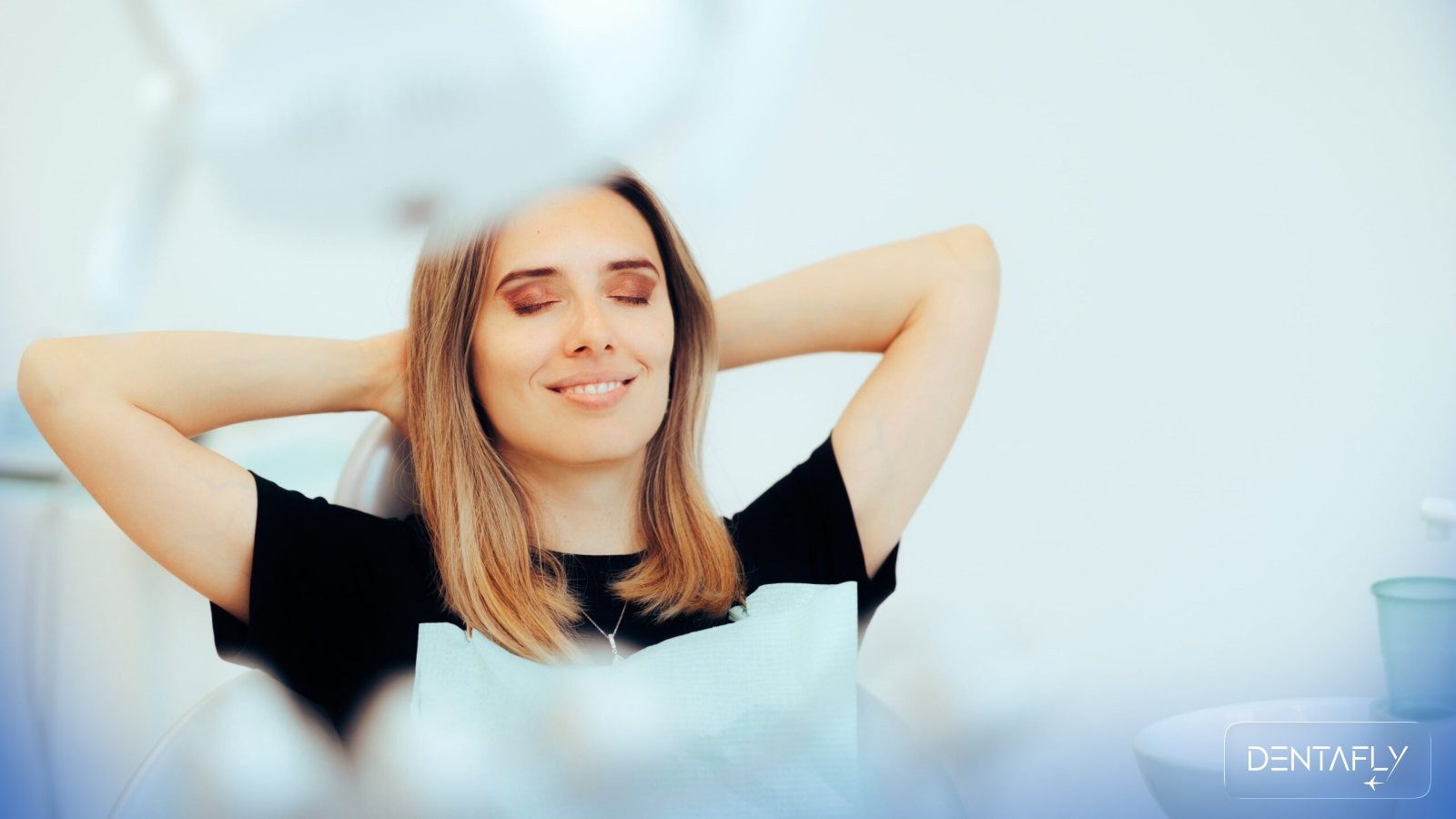
Sedation dentistry Turkey turns into a serious decision-point for nervous patients comparing dental tourism options. Most dental tourism marketing mentions sedation as a feature, but the underlying medical reality varies enormously between clinics. The differences that matter — anaesthesiologist availability, monitoring equipment standards, sedation type selection, and post-procedure recovery support — rarely appear on the front page of competitor websites. This guide documents what comfortable, painless dental treatment actually requires in 2026.
Sedation dentistry in Turkey costs 60-70% less than UK private clinics with comparable medical standards at top-tier facilities. The cost gap reflects local economics, not clinical compromise. Dentafly handles approximately 14,000 sedation cases annually with a dedicated anaesthesiologist present for every IV sedation procedure, hospital-grade vital sign monitoring, and AACI accreditation covering sedation safety protocols. For broader implant context, see our complete dental implants in Turkey guide.
What Is Sedation Dentistry?
Sedation dentistry uses medications to help patients stay relaxed and comfortable during dental procedures. The medications work alongside local anaesthesia which numbs the actual surgical area. Patients typically remain technically conscious during sedation but experience minimal awareness of the procedure and often have no memory of it afterwards.
The term “sleep dentistry” appears in marketing language but is technically inaccurate for most cases. Conscious sedation produces a twilight state, not unconsciousness. Only general anaesthesia produces complete unconsciousness, and that level of sedation is reserved for specific complex cases like full-mouth restoration or extensive zygomatic surgery.
Who benefits from sedation dentistry
- Nervous patients who want to feel calm during treatment without managing anticipation through long sessions
- Patients with strong gag reflexes that interfere with dental work in the back of the mouth
- Long procedure cases where sitting still for 3-6 hours becomes uncomfortable
- Multiple-implant placements in a single visit (full-mouth, All-on-4, All-on-6)
- Complex bone grafting or sinus lift procedures
- Patients with high pain sensitivity seeking maximum comfort throughout treatment
- Time-efficient treatment plans combining multiple procedures into single sessions
When patients ask about sedation, my honest answer is that it’s not necessary for everyone but it’s genuinely transformative for the right patient. I have placed thousands of implants over 18 years. The difference between a patient who completes treatment in twilight sedation versus one who tracks every minute under local anaesthesia alone is significant — not in clinical outcome but in their willingness to return for the second arch, recommend us to family, and complete their treatment plan as scheduled.
Sedation Dentistry Cost in Turkey 2026
Cost is where Turkey’s sedation dentistry positioning becomes most relevant for international patients. The pricing reflects local economics combined with hospital-grade equipment that matches UK and European medical standards.
| Sedation Type | UK Private (Per Session) | EU Private Average | Dentafly Turkey | Saving |
|---|---|---|---|---|
| Local Anaesthesia | £60-£180 (varies by procedure) | €80-€180 | Included with treatment | 100% |
| Oral Sedation (Pills) | £250-£400 | €280-€450 | £100-£180 | ~60% |
| IV Conscious Sedation | £450-£800 | €500-€900 | £150-£250 | ~65% |
| General Anaesthesia (Outpatient) | £900-£1,500 | €1,000-€1,800 | £350-£500 | ~65% |
| Sedation + Single Implant Combo | £3,000-£4,500 | €3,200-€4,800 | £600-£1,000 | ~75% |
| Sedation + All-on-4 Combo | £18,000-£24,000 | €16,000-€22,000 | £4,800-£6,200 | ~70% |
| Sedation + Full Mouth Restoration | £30,000-£45,000 | €28,000-€40,000 | £10,500-£14,500 | ~65% |
The combined treatment packages typically offer better value than purchasing sedation separately. Most Dentafly patients undergoing full-mouth restoration use IV conscious sedation across multiple appointments during their treatment week, with single all-inclusive pricing covering both surgical and sedation costs.
Flexible Dental Finance: Your New Smile from Just £60.72/mo
UK patients can spread sedation and implant treatment costs across 6-60 months with our finance partner. The packages below show typical monthly amounts for our most-requested treatment combinations. Switch between monthly and total pricing using the toggle.
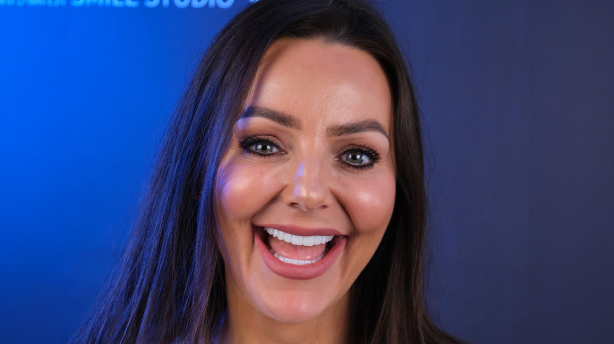
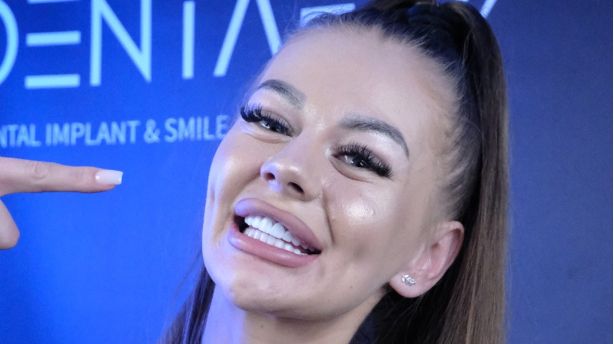
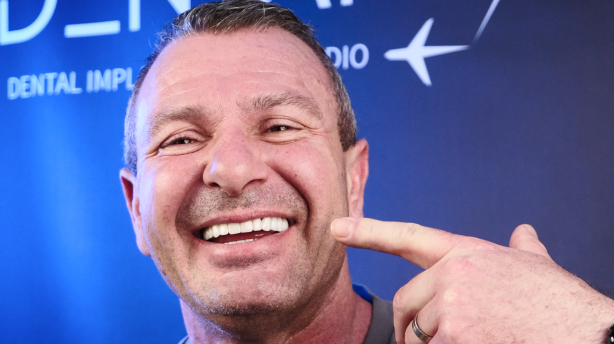

Zirconium Crowns 10 Upper 10 Bottom
Zirconium Crowns 10+10
Apply for Dental Finance
e-max Veneers 8+8
e-max Veneers 8+8
Apply for Dental Finance
All-on-4 Cad/Cam
Apply for Dental Finance
All-on-6 Cad/Cam
Apply for Dental Finance
Composite Bonding 10+10
Apply for Dental Finance
Get Your Personalised Sedation Quote
Send us your treatment plan and any relevant medical history. We’ll provide a transparent sedation cost breakdown for your specific case with no obligation.
Sedation Types Compared
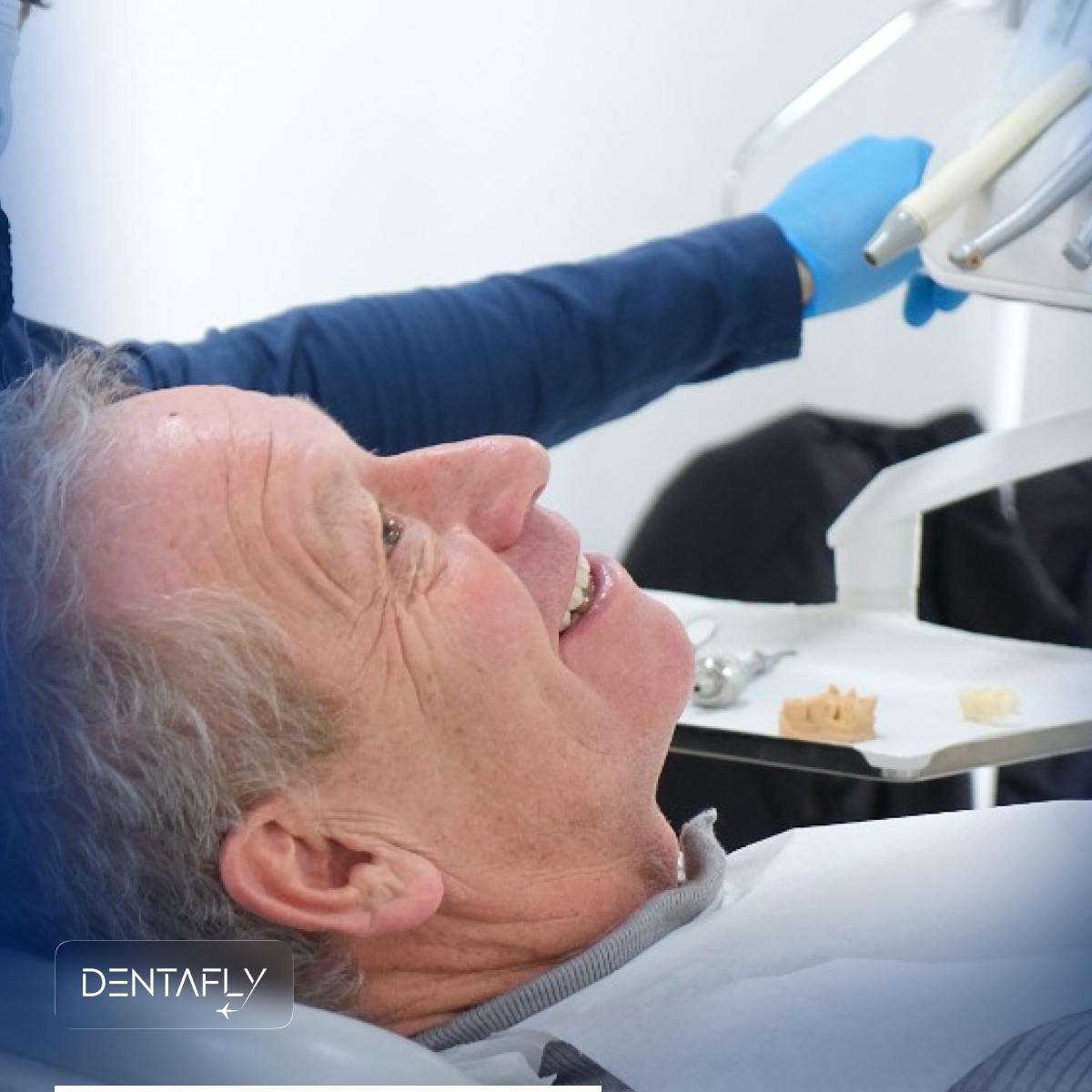
Selecting the right sedation type depends on procedure complexity, your medical history, personal comfort preferences, and pre-treatment consultation results. Each option has specific use cases where it produces optimal outcomes.
Local anaesthesia
Local anaesthesia injects numbing medication directly into the surgical area. You remain fully conscious and aware throughout the procedure. The numbing effect lasts 2-4 hours after injection. Recovery is immediate; patients can drive home, return to work, and resume normal activities. Local anaesthesia is included with all dental procedures at Dentafly without additional cost.
Best for: Single restorations, routine cleanings, simple extractions, short procedures under 30 minutes, patients who prefer awareness during treatment.
IV conscious sedation
IV conscious sedation administers sedative medications through an intravenous line, producing a twilight state. You remain technically conscious and can respond to verbal commands but typically have no memory of the procedure. Local anaesthesia still numbs the surgical area; sedation handles the awareness and time-perception aspects. An anaesthesiologist monitors vital signs throughout the procedure.
Best for: Single or multiple implant placements, sinus lift procedures, full-arch restorations, patients with strong gag reflexes, longer procedures (1-4 hours), nervous patients seeking maximum comfort.
General anaesthesia
General anaesthesia produces complete unconsciousness with breathing assistance from the anaesthesiologist. You remember nothing from the procedure and require longer recovery time. This sedation level is reserved for the most complex cases. Recovery typically requires 6-12 hours of monitoring before discharge with a companion accompanying the patient for 24 hours afterwards.
Best for: Full-mouth restoration in single sessions, complex zygomatic implant placement, patients with severe medical conditions requiring complete control, paediatric cases (we do not currently offer paediatric sedation).
IV Sedation Process Step-by-Step
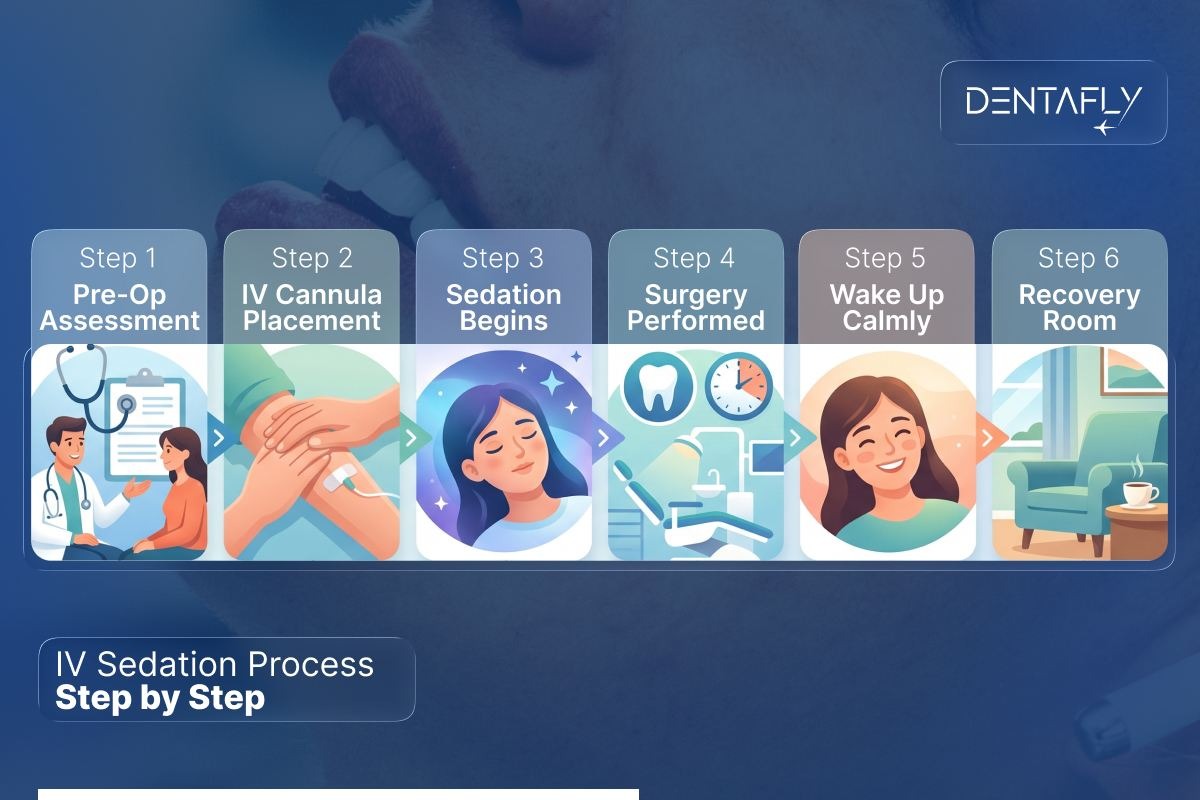
Understanding the IV sedation timeline removes uncertainty for nervous patients. The actual process is more structured and clinical than most patients expect, with multiple safety checkpoints throughout.
Step 1 — Pre-operative assessment (15-20 minutes)
The anaesthesiologist reviews your medical history including current medications, known allergies, previous sedation experiences, fasting status, and current health. Vital signs are recorded. The procedure plan and sedation type are confirmed. Any questions about the process are addressed.
Step 2 — IV cannula placement (5-10 minutes)
A thin flexible cannula is placed in your hand or forearm vein under local anaesthetic numbing. The cannula provides the route for sedation medications. Most patients describe this step as similar to a routine blood test in discomfort level. The cannula remains in place throughout the procedure for medication adjustments and emergency access.
Step 3 — Sedation induction (3-5 minutes)
The anaesthesiologist administers initial sedation medications through the IV. You feel relaxed and drowsy within 60-90 seconds. The dental team begins local anaesthetic injection in the treatment area while you remain calm and aware. Vital sign monitoring continues throughout.
Step 4 — Procedure with continuous monitoring (1-6 hours depending on case)
The dental procedure proceeds while the anaesthesiologist maintains sedation depth and monitors oxygen saturation, heart rate, blood pressure, and respiratory rate. Sedation medications are adjusted as needed to maintain optimal twilight state. Most patients have no memory of this period; some recall fragmentary moments without distress.
Step 5 — Wake up and initial recovery (15-30 minutes)
Sedation medications are gradually reduced. You become more alert progressively. Initial confusion or disorientation lasting 5-15 minutes is normal. Vital signs are confirmed stable before transfer to the recovery area. The anaesthesiologist remains with you during the wake-up period.
Step 6 — Recovery room and discharge (1-3 hours)
You rest in a comfortable recovery area with continued monitoring. Light refreshments are offered when appropriate. Discharge requires stable vital signs, ability to walk steadily, and arrangement for someone to accompany you back to your hotel or accommodation. Driving is prohibited for 24 hours.
Painless Procedure Technology
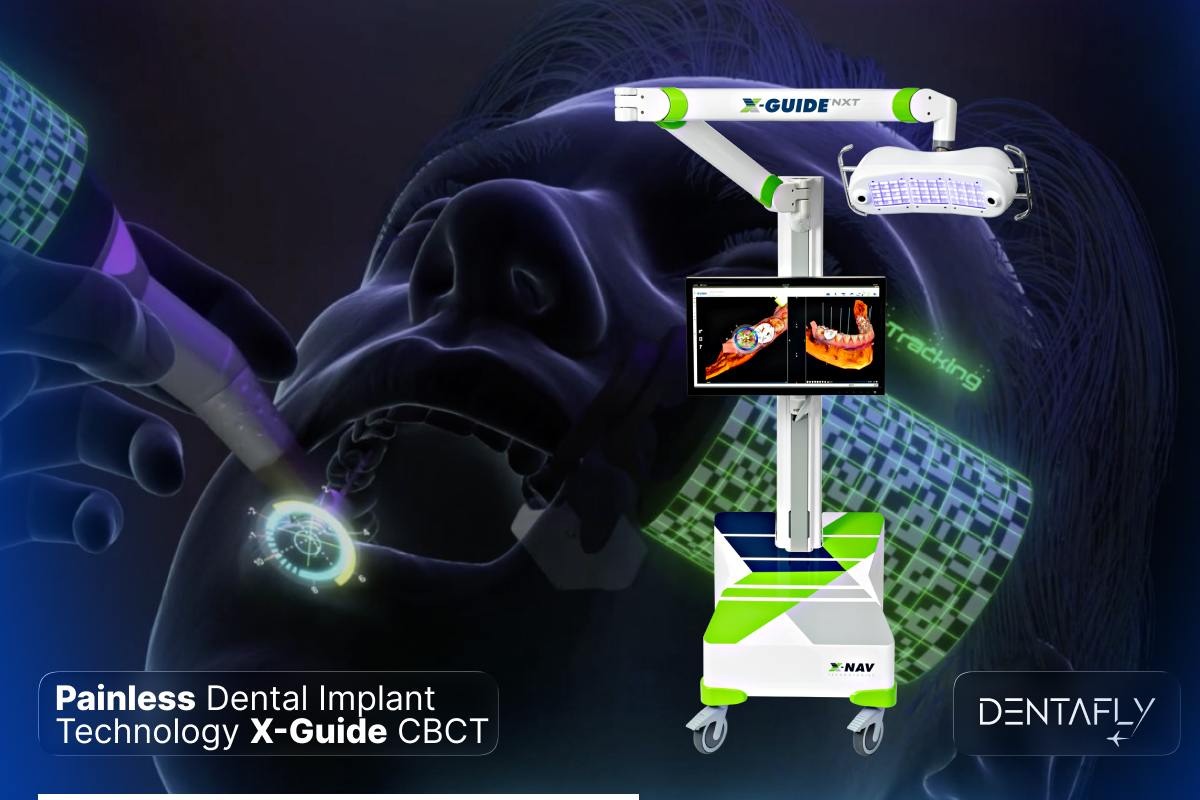
Sedation comfort connects directly to procedural precision. The less invasive the procedure, the less sedation is required and the faster recovery proceeds. Three technologies at Dentafly specifically reduce procedural trauma:
CBCT 3D imaging
CBCT (Cone Beam Computed Tomography) provides three-dimensional imaging of jaw bone density, nerve locations, and sinus boundaries before surgery begins. The detailed pre-operative planning allows precise implant positioning that avoids sensitive anatomical structures. Reduced surgical exploration translates to shorter procedure time and less tissue trauma.
X-Guide robotic implant system
The X-Guide system uses real-time tracking to guide implant placement with sub-millimetre accuracy. The surgeon’s drill movements are continuously verified against the pre-planned position from CBCT data. This precision typically reduces procedure time by 25-40% compared to freehand placement, meaning less sedation duration and faster recovery.
Digital workflow integration
iTero scanners create digital impressions without the gag reflex triggers of traditional impression materials. Same-week prosthetic fabrication using 5-axis CNC milling allows complete restorations during a single visit when appropriate. The integrated digital workflow eliminates multiple appointments and reduces overall sedation exposure.
Why technology integration matters for sedation patients
Faster procedures with less tissue trauma require less sedation depth and shorter sedation duration. A patient receiving an All-on-4 with X-Guide robotic placement typically requires 90-120 minutes of IV conscious sedation versus 180-240 minutes for the same procedure with traditional freehand placement. Less sedation exposure produces faster recovery, reduced post-operative discomfort, and lower medication burden on the body. Sedation is commonly combined with accelerated protocols such as same-day dental implants, letting anxious patients complete surgery in a single comfortable visit.
Comfort Amenities for Nervous Patients
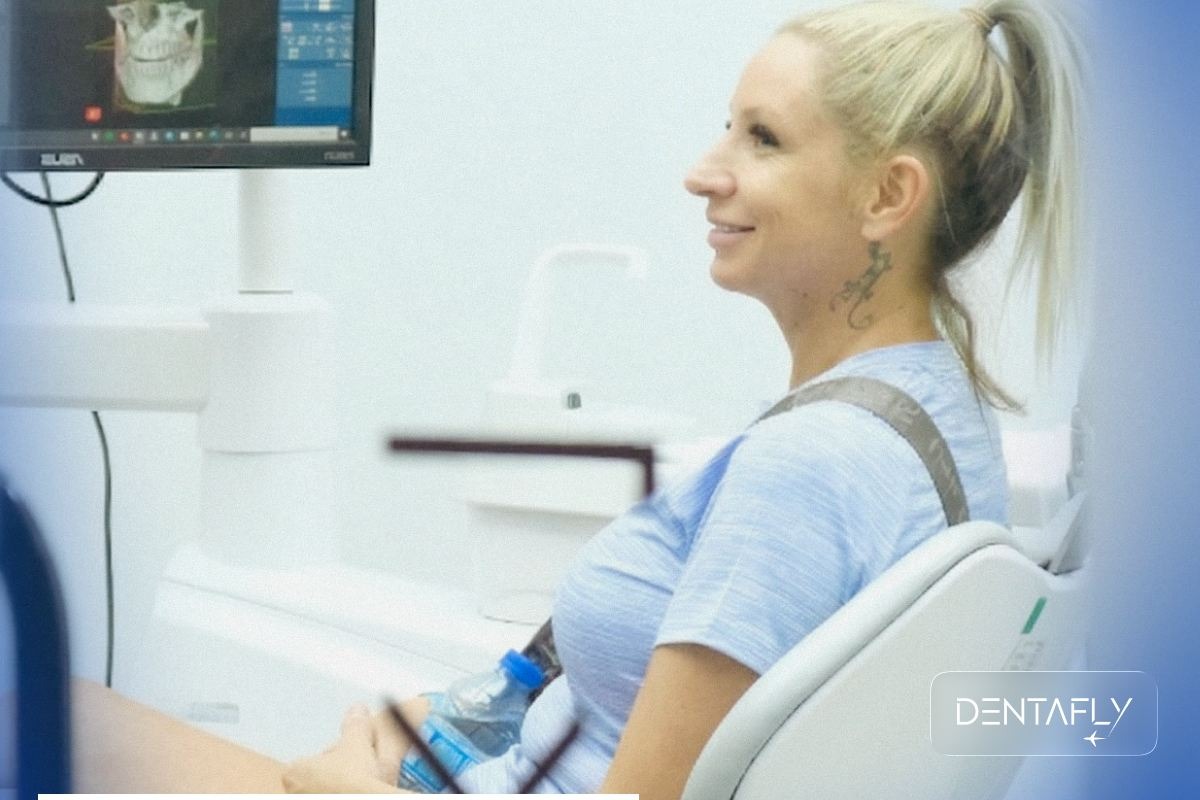
Beyond clinical sedation, several environmental factors significantly affect nervous patient comfort. The clinical environment itself either reduces or amplifies pre-procedure tension.
Treatment room amenities
- Wireless noise-cancelling headphones with curated relaxation playlists, audiobooks, or your own music selection during procedures
- Aromatherapy diffusers with calming scents (lavender, chamomile, eucalyptus) available throughout treatment areas
- Soft fleece blankets for warmth and tactile comfort during longer procedures
- Adjustable warm lighting rather than harsh medical fluorescent overhead lighting
- Television displays with calming nature documentaries, films, or your preferred content during routine portions of treatment
- Eye masks for patients who prefer visual quiet during procedures
- Hand stress balls or weighted comfort items for sensory grounding during awake portions
Pre-procedure consultation approach
Nervous patients receive extended pre-procedure consultation time. The dental and anaesthesiology teams walk through the entire procedure step-by-step, address specific concerns, and identify comfort preferences. We schedule consultations at times when the clinic is quiet to allow unhurried discussion. Many patients report that the comprehensive pre-procedure briefing alone significantly reduces their tension before sedation begins.
Companion presence
Travel companions can accompany patients into the recovery room after procedures. For pre-procedure briefing and post-procedure recovery, having a familiar person present significantly reduces patient stress. Our facility accommodates companions in waiting areas with refreshments during longer procedures.
Safety Standards and Anaesthesiologist Role
Sedation safety depends on three factors: practitioner qualifications, monitoring equipment, and emergency response capability. Each factor has measurable standards that distinguish hospital-grade sedation from less rigorous alternatives.
Anaesthesiologist qualifications
Every IV sedation case at Dentafly is supervised by a qualified anaesthesiologist holding Turkish Ministry of Health specialty certification. Specialty training requires 4-5 years post-medical-degree residency in anaesthesia and reanimation. Continuing medical education requirements ensure current best practices. This contrasts with sedation provided by sedation-trained dentists in some clinics, who hold weekend or week-long sedation course certifications rather than full anaesthesia specialty.
Monitoring equipment standards
Hospital-grade monitoring equipment tracks five vital parameters continuously throughout sedation:
- Pulse oximetry measuring blood oxygen saturation (SpO2 target above 95%)
- Continuous ECG monitoring heart rhythm and rate (alarm thresholds set patient-specifically)
- Non-invasive blood pressure measured every 3-5 minutes throughout procedure
- End-tidal CO2 capnography verifying breathing adequacy
- Respiratory rate tracked continuously alongside breathing pattern observation
Emergency response capability
The clinic maintains hospital-standard emergency protocols including rapid airway management equipment, reversal medications for sedation effects, defibrillator with current AED certification, and direct hospital transfer arrangements. Annual emergency response training ensures all clinical staff maintain current capability. AACI accreditation specifically reviews these emergency protocols during annual audits.
Sedation safety is the part of dentistry where corner-cutting becomes most dangerous. The medical literature documents specific patterns where sedation incidents occur, almost always related to inadequate monitoring or insufficient practitioner training rather than the medications themselves. Our protocols mirror hospital outpatient surgical centre standards because the medications and risks are identical. The cost difference between minimum-acceptable and hospital-grade sedation is meaningful, and we have made the structural choice to operate at hospital-grade standards.
UK Aftercare for Sedation Patients
Sedation patients sometimes need follow-up support after returning home. Common scenarios include questions about delayed recovery effects, medication interactions during the post-operative period, or routine post-implant monitoring at intervals scheduled around your sedation history.
Dentafly’s owned UK clinic at NW9 8SN handles these follow-up needs without requiring return travel to Antalya. The London team has direct access to your sedation records including medications used, dosages, vital sign trends during the procedure, and any reactions noted. This continuity matters for sedation patients planning future treatments who can build on documented sedation tolerance.
- 📍 230 Church Lane, London NW9 8SN
- 📞 +44 20 3302 9290
- ✉️ [email protected]
- 🕐 Mon-Fri 9:00-18:00 · Sat 10:00-17:00
- 🚇 12 min walk from Colindale (Northern Line)
- 🚗 8 min from M1 Junction 2, free parking
Real Patient Stories
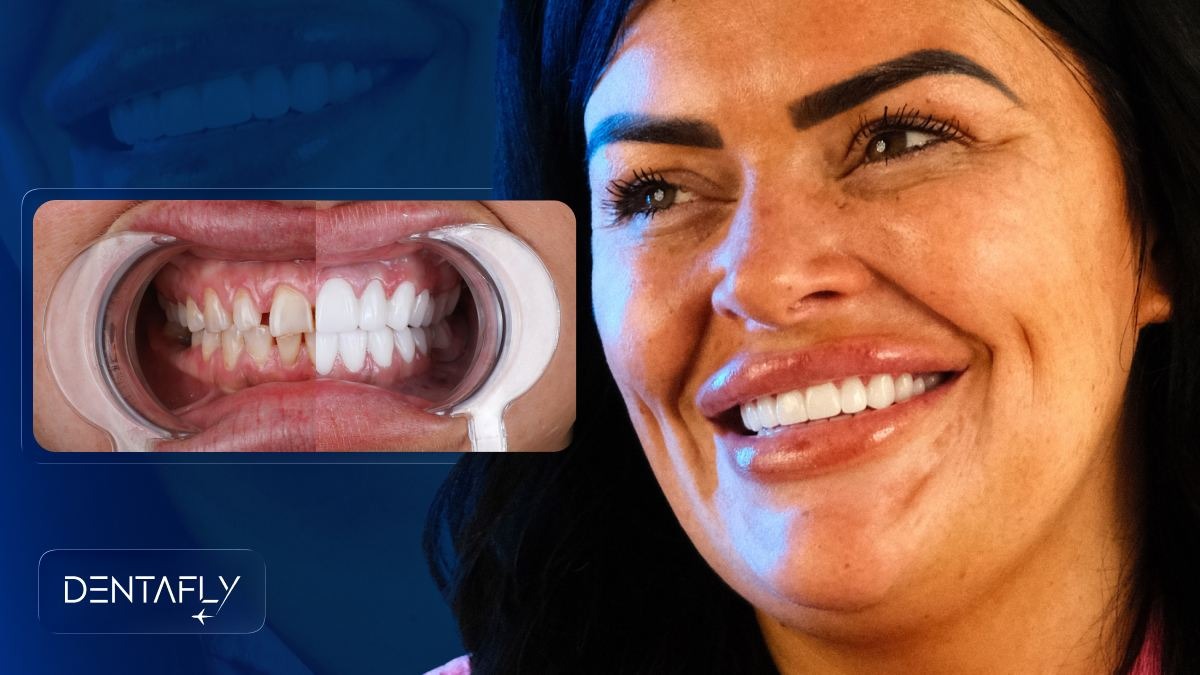
UK patient experiences
“I had avoided proper dental treatment for almost thirty years because of bad experiences as a child. My teeth were in awful shape but I genuinely could not face a dentist’s chair without feeling sick. Found Dentafly through a colleague who’d had implants there. The IV sedation made the difference. The anaesthesiologist explained everything beforehand, the team worked with my pace not against it. I had All-on-4 in one session, woke up feeling rested rather than traumatised. First positive dental memory I have.”
“Strong gag reflex made even routine dental work miserable for me. Researched UK clinics offering sedation but the costs were prohibitive — quoted £750 just for sedation on top of treatment fees. Dentafly quoted everything inclusive at less than half the UK total. The IV sedation completely eliminated the gag issue, and I had three implants placed in 90 minutes without remembering any of it. The Antalya recovery hotel was actually a nice break combined with the medical care.”
“Needed full-mouth treatment but my UK dentist mentioned my sleep apnoea would complicate sedation. Three London clinics declined to sedate me. Dentafly’s anaesthesiologist did a full pre-treatment screening, adjusted the sedation protocol for my CPAP requirements, and managed my case with hospital-level monitoring throughout. The structured medical assessment was the part that earned my trust — they took my condition seriously rather than dismissing the concern or refusing entirely.”
“Always nervous before dental work. My pre-procedure consultation in Antalya was different from any UK experience I’d had — the anaesthesiologist walked me through every medication, what each one does, what I would feel and when. Going through the timeline beforehand removed most of my anticipation. Actual sedation itself was unremarkable. I felt drowsy, woke up later, the work was done. That advance briefing turned out to be more valuable than the medication.”
American patient experience
“Travelled from Houston for full-mouth restoration with sedation. Cost difference was stark — quoted $42,000 in Texas including general anaesthesia or $14,500 inclusive at Dentafly. Their anaesthesiology setup matched what I’d seen at outpatient surgical centres back home. Same equipment, same standards, dramatically different pricing. Two years post-treatment with no issues.”
Real Reviews from Verified Patients
Live Trustpilot reviews from our 1,027+ verified patients across the UK, US, Ireland, Australia, and Germany.
When Sedation Is Not Suitable
Honest medical guidance includes acknowledging when sedation is not the right choice. Several patient profiles have specific contraindications that affect sedation suitability or require modified protocols.
Absolute contraindications (sedation not provided)
- Pregnancy first trimester — Sedation medications cross the placental barrier and may affect fetal development. Treatment delayed until second trimester or post-pregnancy.
- Severe untreated sleep apnoea without current CPAP compliance — Sedation may exacerbate breathing irregularities. Treatment requires sleep medicine clearance first.
- Acute respiratory infection — Sedation suppresses respiratory drive. Treatment delayed until full recovery (typically 2-4 weeks post-infection).
- Known allergies to sedation medications — Specific medication selection depends on allergy profile. Some patients require alternative protocols.
- Severe uncontrolled cardiovascular disease — Recent heart attack (within 6 months), uncontrolled hypertension, or severe heart failure require cardiology clearance.
Relative contraindications (modified protocols)
- Controlled sleep apnoea with CPAP — Sedation possible with adjusted dosing and continuous CPAP during procedure
- Diabetes — Sedation possible with careful blood glucose monitoring (see also our dental implants with diabetes guide)
- Liver or kidney conditions — Medication selection adjusted to organ-cleared agents
- Antidepressant or anxiolytic medications — Drug interactions reviewed with prescribing physician before sedation
- Age over 75 — Reduced sedation depth and extended recovery monitoring
Frequently Asked Questions
Cost, comfort, and sedation basics
How much does sedation dentistry cost in Turkey?
Is IV sedation safe for dental implants?
Will I be unconscious during dental implant surgery?
How long does the sedation take to wear off?
Can nervous patients receive sedation for dental implants?
What is the difference between local anaesthesia and IV sedation?
Practical considerations and aftercare
Are there any contraindications for sedation dentistry?
Do I need to fast before IV sedation?
Can I combine sedation with dental implant treatment in one visit?
What follow-up support is available in the UK after sedation treatment?
Is sedation dentistry available for children at Dentafly?
How does Dentafly’s sedation compare to UK private clinics?
Related Reading
- Complete Dental Implants in Turkey Guide: Pillar overview of all implant options
- Dental Implant Costs in Turkey: Full pricing breakdown
- UK Aftercare London Clinic: Owned NW9 8SN clinic detail
- All-on-4 Dental Implants: Full-arch treatment with sedation
- Zygomatic Implants: Complex cases requiring full sedation
- Full Mouth Dental Implants Packages: Comprehensive treatment with sedation
- Turkey vs Hungary Dental Implants: European destination comparison
- Turkey vs Mexico Dental Implants: US patient comparison
- Is It Safe to Have Implants in Turkey?: Safety analysis
- Meet Our Dental Team: Specialist credentials
- Patient Reviews: 1,027+ Trustpilot testimonials
- Free Sedation Consultation: Personalised treatment plan
Ready for Comfortable Dental Treatment?
Send us your treatment plan and any medical history. We’ll provide a transparent sedation cost breakdown for your specific case with no obligation.
Get Your Free Sedation Quote