3-on-6 Dental Implants in Turkey: Cost, Procedure & UK Aftercare 2026

3-on-6 dental implants Turkey three porcelain bridges supported by six titanium implants per arch AACI accredited Dentafly Antalya UK aftercare
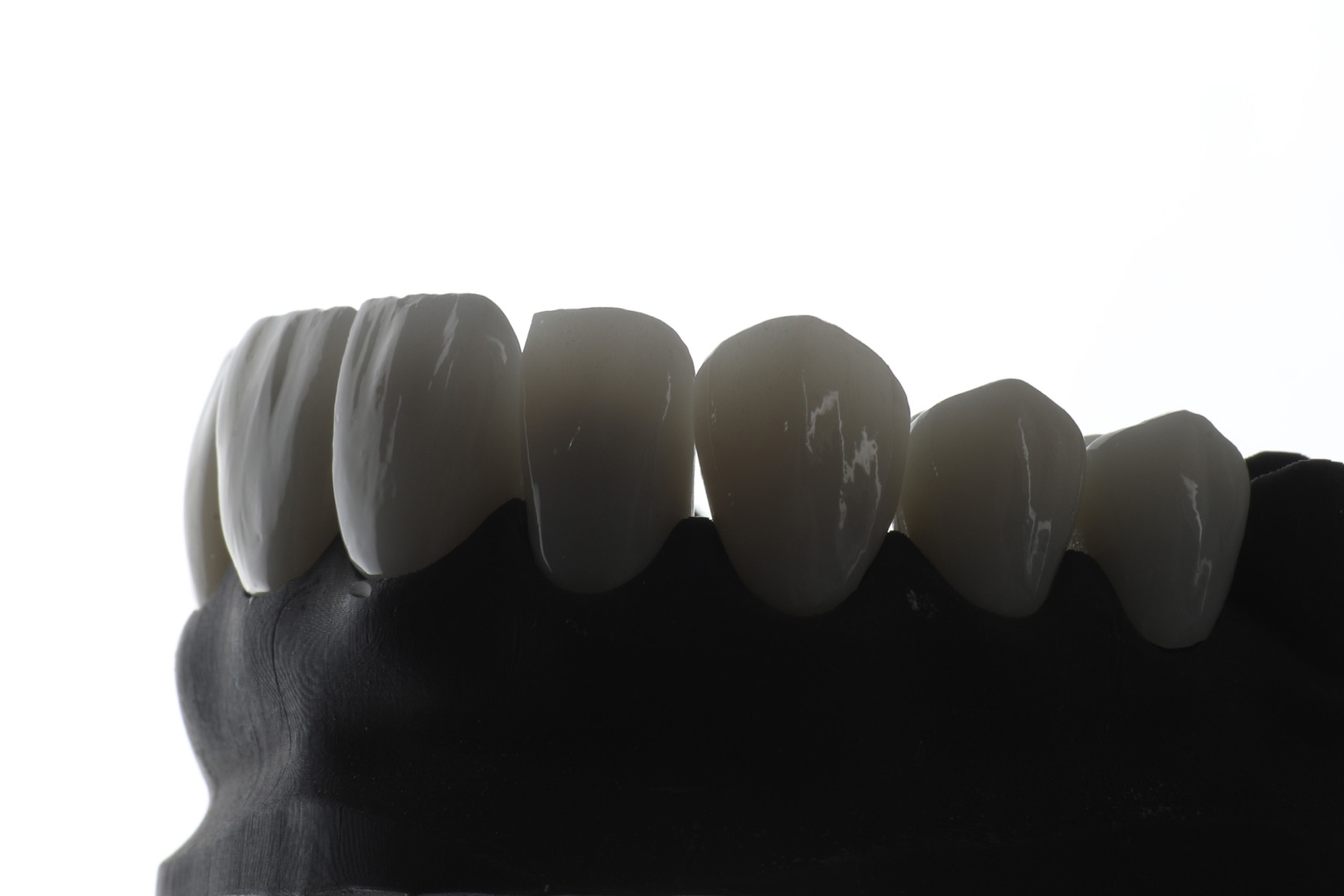
3-on-6 design splits a full arch into three separate bridges, each supported by two of the six titanium implants for easier hygiene and segmented repair flexibility

If you have been researching full-mouth implant options, you have probably already encountered All-on-4 and All-on-6. Both are excellent protocols. But there is a third option that some clinicians prefer for specific cases, and it rarely gets the attention it deserves in patient guides. The 3-on-6 protocol uses the same six implants per arch as All-on-6, but splits the prosthesis into three separate bridges instead of one continuous 12-tooth restoration. The clinical and practical implications of that difference are significant.

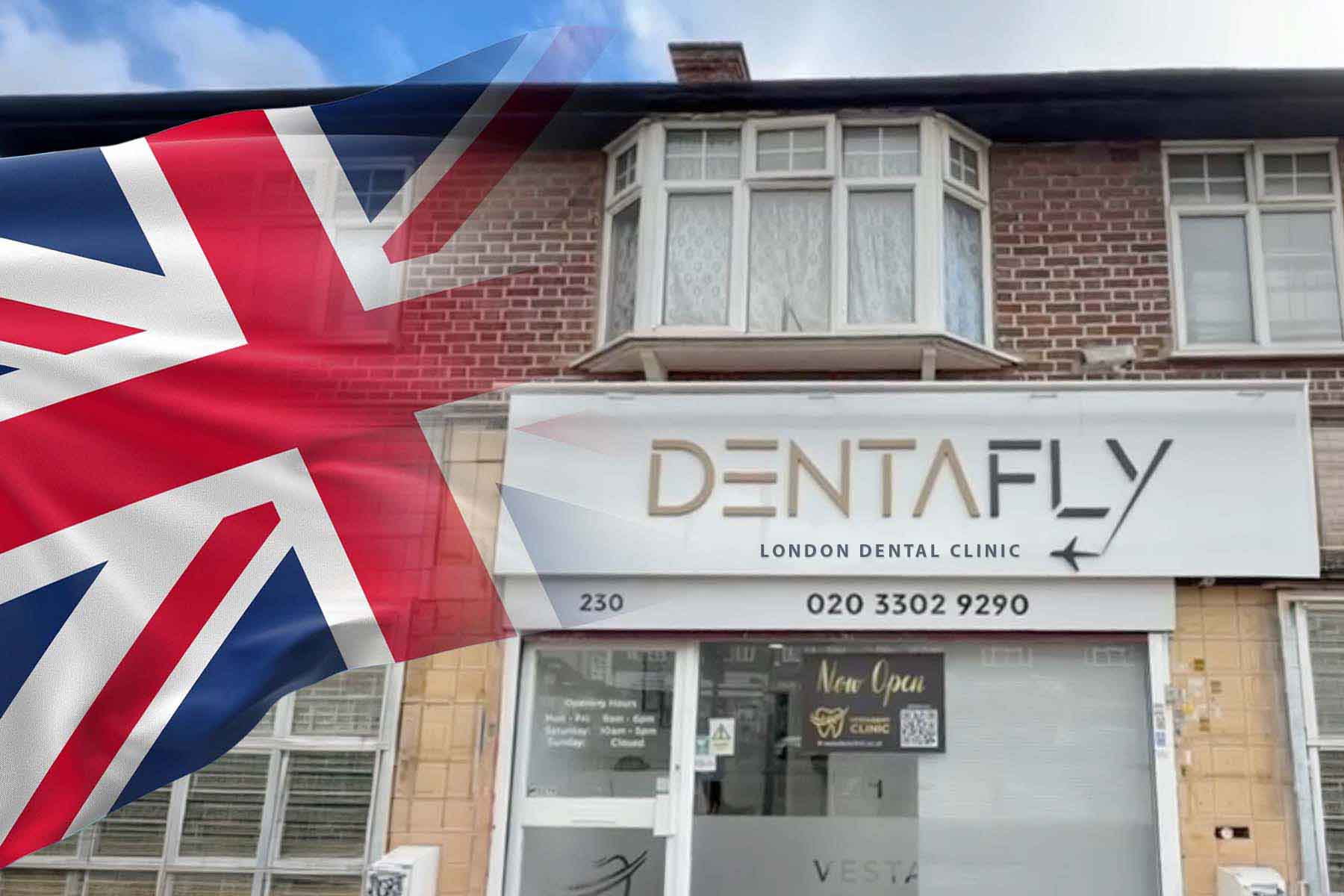
For the right patient, 3-on-6 offers easier hygiene maintenance, simpler repair if a bridge segment fails, and prosthetic flexibility that single-bridge designs cannot match. At Dentafly’s Antalya clinic, our prosthodontics team handles 3-on-6 cases using premium Straumann or Nobel Biocare implants and zirconia bridges, with all post-treatment care continuing at our London clinic on Church Lane (NW9 8SN). For broader context on full-arch options, see our complete dental implants in Turkey guide.

✓ AACI Accredited ✓ 6 Premium Implants ✓ 3 Independent Bridges ✓ UK NW9 Aftercare ✓ 10-Year Bridge Warranty

What is 3-on-6 Dental Implants?

What is 3-on-6 dental implants explanation diagram showing three bridges on six titanium implants per arch full mouth restoration
The 3-on-6 design distributes 12 teeth across three independent bridges, each anchored to two implants

The 3-on-6 protocol uses six titanium implants placed across a single dental arch (upper or lower jaw). The 12 missing teeth are then restored with three separate ceramic or zirconia bridges. The anterior bridge typically covers the four front teeth, supported by the two front implants. The two posterior bridges each cover four back teeth (premolar and molar regions), supported by two implants on each side.

This design philosophy traces back to traditional fixed bridge work, where dentists have always preferred shorter spans of connected teeth over single long bridges. The reasoning is mechanical: longer continuous prostheses carry higher torque loads at their connection points, increasing the risk of porcelain chipping, framework fracture, or implant overload. By splitting the arch into three independent units, the load distributes more evenly across all six implants.

The protocol differs fundamentally from All-on-4 and All-on-6 in one critical way. In All-on-X designs, all teeth in the arch are connected as a single rigid unit. If any single tooth chips or any single area requires repair, the entire bridge often must come off. In 3-on-6, each bridge segment is independent. A repair to the anterior segment leaves both posterior segments fully functional throughout the work.

Clinical evidence on multiple-segment bridges The 2019 systematic review in the Journal of Prosthetic Dentistry compared single-bridge versus multi-segment full-arch restorations across 31 studies. Multi-segment designs showed 23% lower porcelain fracture rates over 10-year follow-up periods, primarily due to better mechanical load distribution and reduced cantilever stress at distal connections.

3-on-6 vs All-on-4 vs All-on-6: Honest Comparison

3-on-6 vs All-on-4 vs All-on-6 dental implants comparison chart showing differences in bridges bone requirements hygiene cost
The right protocol depends on bone availability, budget, hygiene priorities, and long-term maintenance preferences
FactorAll-on-4All-on-63-on-6 (Dentafly)
Implants per arch466
Bridges per arch1 continuous1 continuous3 separate
Teeth per arch10-1212-1412-14 (split 4+4+4)
Bone requiredMinimal (front only)Adequate (full arch)Adequate (full arch)
Hygiene accessDifficult (long bridge)Difficult (long bridge)Easier (gaps between bridges)
Repair complexityWhole bridge offWhole bridge offSingle segment only
Prosthesis lifespan10-15 years12-18 years15-20 years (per bridge)
Cost at Dentafly£4,500-£6,500£5,500-£7,500£6,000-£8,500
Cost UK private£12,000-£16,000£15,000-£20,000£15,000-£22,000
Same-day teethYes (immediate loading)Yes (immediate loading)Yes (temporary segments)

When patients ask me which protocol is best, my answer is always the same: there is no universally best option, only the right option for your specific case. All-on-4 wins when bone is limited and budget matters most. All-on-6 wins for standard cases needing maximum stability with a single continuous prosthesis. 3-on-6 wins when long-term maintenance, repair flexibility, and hygiene access matter more than the additional prosthetic complexity. The CBCT scan and your priorities together drive the decision.

— Dr. Burak Gökdeniz Head Dentist, Prosthodontics PhD, Dentafly

Why Choose 3-on-6 Over Other Options

Why choose 3-on-6 dental implants advantages over All-on-4 All-on-6 segmented bridge hygiene repair flexibility long term maintenance
The advantages of 3-on-6 become most apparent in years 5-10 of post-treatment maintenance

1. Easier daily hygiene

The natural gaps between the three bridges allow water flossers, interdental brushes, and floss threaders to reach the implant-gum junction more effectively. With a single 12-tooth bridge spanning four to six implants, hygiene access between implants requires specialised superfloss techniques that many patients struggle to master. Multi-segment designs reduce the steep learning curve for daily home care.

2. Simpler repairs over the long term

If you ever chip a porcelain tooth, fracture a bridge framework, or develop peri-implantitis around a single implant, the segmented design isolates the problem. We remove only the affected bridge segment for repair work. The other two segments stay in place, and you continue eating and speaking normally throughout. With single-piece All-on-X bridges, the same issue requires temporary edentulism (no teeth) while the entire prosthesis is reworked.

3. Better mechanical load distribution

Single long bridges create cantilever stresses at the distal-most teeth, which translate into bending forces on the implants. Multi-segment designs limit cantilevers to two teeth maximum per segment, distributing chewing loads more evenly. This is why the 2019 systematic review found 23% lower porcelain fracture rates in multi-segment designs over 10-year follow-up periods.

4. Aesthetic flexibility

The three bridges allow our digital lab to fine-tune shade, translucency, and surface texture independently for the anterior segment versus the posterior segments. Front teeth often need more translucency and natural colour variation than molars, and the segmented design accommodates this without compromise.

5. Future upgrade options

Should you ever want to upgrade from acrylic to zirconia, or from conventional zirconia to multilayer zirconia, the segmented design allows phased upgrades. You can replace one bridge at a time across multiple visits or years, spreading the cost.

When 3-on-6 is not the right choice Despite these advantages, 3-on-6 is not always the optimal protocol. Patients with severe upper jaw bone loss may need zygomatic implants instead. Cases where bone limits implant placement to the front of the jaw should consider All-on-4. Patients prioritising the lowest possible cost may prefer All-on-6 with a single bridge.

The 3-on-6 Procedure Step-by-Step

3-on-6 procedure step by step from implant placement to final zirconia bridge fitting CAD CAM digital workflow Antalya
The full 3-on-6 pathway spans two visits to Antalya separated by 3-4 months of integration time

Stage 1: Diagnostic phase (Day 1)

The treatment begins with a full assessment in Antalya. We perform a 3D Cone Beam CT scan covering both arches, measuring bone density, ridge dimensions, and the relationship to vital anatomy. Our digital workflow then plans implant positions virtually using NobelClinician or DTX Studio software. The plan accounts for the eventual bridge segments, ensuring each pair of implants is positioned to support a balanced 4-tooth prosthesis.

Stage 2: Surgical placement (Day 2)

Six implants are placed under local anaesthesia, or IV sedation if you prefer. The procedure typically takes 2-3 hours per arch. The implant positions follow the planned distribution: two anterior implants for the front bridge, two on each side for the posterior bridges. Primary stability is measured for each implant using insertion torque, with minimum 35 N·cm required for immediate loading.

Stage 3: Immediate temporary bridges (Day 3-4)

Within 48 hours of surgery, three temporary acrylic bridges are fitted onto the implants. These are screw-retained for easy removal during follow-ups. You leave Antalya with functional teeth, not gums, and can eat soft to medium foods immediately. Your first visit ends after 5-7 days total.

Stage 4: Healing period (3-4 months in UK)

The implants need to integrate with your jawbone. During this period, you wear the temporary bridges full-time. Monthly check-ups happen at our London clinic at NW9 8SN, where we monitor healing, take X-rays at 2 and 3 months, and adjust the temporary if needed. Most patients find this phase entirely manageable since they have functional teeth throughout.

Stage 5: Digital impressions (Second visit, Day 1-2)

Once integration is confirmed by CBCT, you return to Antalya. Our prosthodontics team takes detailed digital impressions of both jaws using an iTero scanner. The impressions feed directly into CAD design software, where each of the three bridges is custom-designed to match your facial features, smile line, and bite relationship.

Stage 6: Bridge fabrication (Day 3-4)

Our in-house digital lab mills each zirconia bridge from a single solid block using 5-axis CNC machinery. The milling process takes approximately 4-6 hours per bridge. After milling, the bridges are sintered, hand-stained for natural colour, glazed, and polished. The total fabrication time across all three bridges is typically 2 days.

Stage 7: Final fitting and adjustment (Day 5-7)

Each bridge is tried in, with bite checks, contact point verification, and aesthetic review. Adjustments are made using fine burs and articulating paper. Once you and the prosthodontist confirm the fit and appearance, the bridges are screw-retained or cement-retained according to the planned protocol. Final polish, photographs, and you fly home with your permanent restoration.

The digital workflow is what makes the 3-on-6 protocol practical at this scale. Twenty years ago, fitting three independent bridges with perfect occlusion and aesthetics across six implants would have required multiple visits and analogue impressions that frequently needed remakes. With the iTero scanner, CAD design software, and 5-axis CNC milling we have at Dentafly, the precision is consistent and the patient time is compressed significantly. We typically deliver in five to seven days what used to take three to four weeks of laboratory work.

— Dt. Görkem Buğra Ceyhan Implant & Digital Workflow Specialist, Dentafly

3-on-6 Cost: UK vs Turkey vs USA

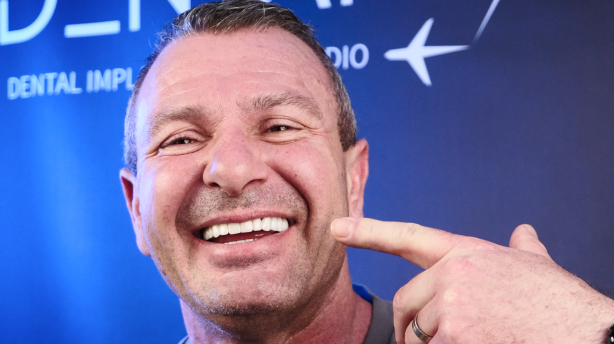
3-on-6 dental implants treatment at Dentafly Antalya clinic with premium Straumann Nobel Biocare implants zirconia bridges
Cost transparency for full-arch treatments matters most for patients comparing across countries
Treatment ComponentUK Private (Avg)USA Private (Avg)Dentafly Turkey
3-on-6 with mid-range implants£15,000-£17,000$28,000-$35,000£6,000-£7,000
3-on-6 with Straumann/Nobel£18,000-£22,000$35,000-$45,000£7,500-£8,500
Zirconia bridges (×3)£6,000-£9,000$12,000-$18,000Included
3D CBCT planning£300-£500$500-$800Included
Hotel + transfersNot includedNot includedIncluded
UK aftercare follow-ups£200-£500 eachN/AIncluded (London NW9)
Both arches (full mouth)£30,000-£44,000$60,000-$90,000£12,000-£17,000

The 3-on-6 protocol typically costs slightly more than All-on-6 due to the three independent bridges, which require more lab time than a single continuous bridge. However, the savings versus UK private practice remain substantial, with most patients paying 60-70% less than they would at home. For a complete pricing breakdown across all implant types, see our dental implants cost guide.

The Dentafly all-inclusive package adds 5-star hotel accommodation in Antalya, VIP airport transfers, all medications, IV sedation if requested, and UK aftercare follow-ups in London. None of these are charged separately. UK patients typically save the cost of one private UK consultation by travelling to Antalya, before any treatment fees enter the calculation.

Flexible Dental Finance: From £60.72/mo

UK patients can spread 3-on-6 treatment across 6-60 months with our partner dental finance options. The structured payment plans below are designed for treatments above £1,500 and include no-deposit arrangements for credit-approved applicants.

Get Your 3-on-6 Treatment Plan

Send your panoramic X-ray for a written treatment plan with itemised pricing within 24 hours, no obligation to proceed.

Get Your Free Quote

Bridge Materials: What Goes On Top of the Implants

The implants themselves are titanium, which is universally accepted as the gold standard for osseointegration. The choice that affects long-term outcomes most is the bridge material. Dentafly offers three principal options.

Monolithic zirconia (most popular)

Solid zirconia milled from a single block. Maximum strength at over 1,200 MPa flexural strength, excellent natural translucency in modern multilayer formulations, and the most stain-resistant surface available. Lifespan 15-20+ years. Best for patients prioritising longevity and natural appearance. Approximately 70% of Dentafly patients choose this option.

Hybrid acrylic on titanium framework

Titanium milled framework covered with high-density acrylic teeth. Lighter weight than zirconia, easier to repair if a single tooth chips, and lower cost. Lifespan 10-15 years before refurbishment is typically needed. Best for cost-conscious patients or those who prefer lighter prostheses.

Porcelain-fused-to-metal (PFM)

Traditional metal substructure with porcelain tooth surfaces. Less commonly chosen now due to the dark margin risk at gum level. Still appropriate for cases where metallic shadows behind the lip are not visible. Lifespan 10-15 years.

The choice between materials happens during your treatment planning phase. We provide samples and lighting comparisons in person before the final decision.


For US Patients: Medicare and Cost Reality

American patients researching 3-on-6 implants face the same insurance reality as their UK counterparts, but with notably higher domestic prices. Original Medicare excludes 3-on-6 implants entirely under standard rules. The Centers for Medicare and Medicaid Services classifies these procedures as cosmetic dental work, regardless of clinical necessity.

Medicare Advantage limits

While 98% of Medicare Advantage plans now include some dental coverage, 2026 trends show what industry analysts call a benefit pullback. Most plans cap annual dental at $1,300 to $2,000. Given that a full-mouth 3-on-6 restoration in the US ranges from $60,000 to $90,000, even premium Advantage plans cover only a small fraction of typical treatment costs.

State Medicaid coverage

Most state Medicaid programs do not cover adult 3-on-6 treatment, classifying it as elective. California, Ohio, and West Virginia may cover specific medically necessary cases such as severe trauma or oral cancer reconstruction, with annual benefit caps that rarely match actual costs.

Why US patients increasingly travel for 3-on-6

For an American patient needing full-mouth 3-on-6 treatment, the typical math works out as follows. Total Dentafly cost across both arches, hotel, transfers, and two trips: approximately $15,500-$21,500. Equivalent US private quote: $60,000-$90,000. Even after factoring in two round-trip flights from major US cities ($1,400-$2,200 total) and any additional hotel nights beyond the included stay, the savings exceed $40,000 in most cases.

Dentafly’s Global Warranty is recognised by certified US dentists for routine maintenance, which means most aftercare can happen close to home with our protocol documentation. If a bridge segment ever requires replacement under warranty, we coordinate with a partner US dentist for the work, with our team supplying the materials.


Real UK Patient Stories

We do not publish curated written testimonials in clinical content. Instead, we maintain a dedicated YouTube channel with over 700 patient videos, including full-arch and complex restoration cases. The unedited interviews give a fuller picture of recovery than any prose summary.


Are You a Candidate for 3-on-6?

Strong candidates

  • Adequate bone volume across the entire arch (ridge width over 5 mm, height over 8 mm in posterior regions)
  • Healthy gum tissue with no untreated periodontal disease
  • Non-smoker or willing to quit at least 4 weeks pre and post surgery
  • Controlled medical conditions (diabetes acceptable if HbA1c below 7%)
  • Patients prioritising easier daily hygiene and segmented repair flexibility
  • Patients who have struggled with hygiene around long bridges previously

Cases requiring planning adjustments

  • Moderate bone loss may need limited bone grafting before placement
  • Heavy bruxism (teeth grinding) without willingness to wear a night guard
  • History of failed implants in the same area
  • Bisphosphonate medication for osteoporosis (requires individual review)

Generally not suitable

  • Severe upper jaw bone loss (consider zygomatic implants instead)
  • Bone limited to the front of the jaw only (consider All-on-4)
  • Uncontrolled diabetes with HbA1c above 9% (see our implants with diabetes guide)
  • Active chemotherapy or recent head and neck radiation therapy
  • Severe untreated periodontitis affecting remaining teeth

The free X-ray review identifies which group you fall into. Roughly 65% of UK patients who send us a panoramic X-ray qualify for 3-on-6 directly. Around 20% need limited bone grafting first. The remaining 15% are referred to alternative protocols like All-on-4 or zygomatic implants based on their specific anatomy.


UK Aftercare for 3-on-6 Patients

The segmented design of 3-on-6 makes ongoing UK aftercare more important than for single-bridge protocols. Each of the three bridges has its own connection points, occlusion patterns, and potential for individual adjustment over time. Monitoring this complexity from a UK base ensures your prosthesis maintains optimal function for the maximum lifespan.

Dentafly’s London clinic at 230 Church Lane, NW9 8SN handles every step of post-treatment care. Week 1 includes the initial post-op review and any suture removal. Months 1, 3, and 6 cover integration monitoring with X-rays. The 6-month visit transitions you from temporary to final bridge planning if you have not yet had the second Antalya trip. Annual maintenance from Year 2 onward includes hygiene support, bridge polishing, occlusion checks, and screw torque verification.

If you ever experience an issue with one of the three bridges, such as a chipped tooth, screw loosening, or occlusion change, the London clinic assesses the problem and either handles it locally or coordinates with our Antalya lab for warranty work. The lifetime warranty on implants and 10-year warranty on bridges are processed entirely through London, with no return travel to Turkey required for routine warranty claims.


Frequently Asked Questions

What is a 3-on-6 dental implant treatment?
3-on-6 is a full-arch implant restoration using six titanium implants per jaw, supporting three separate bridges (one anterior, two posterior). Unlike All-on-4 which uses one continuous bridge on four implants, 3-on-6 splits the load across three independent prostheses, allowing easier hygiene access and segment-by-segment repair.
How much does 3-on-6 cost in Turkey?
At Dentafly, 3-on-6 treatment per arch starts at £6,000 with mid-range implants and zirconia bridges. Premium packages with Straumann or Nobel Biocare reach £8,500 per arch. UK private prices for 3-on-6 typically range £15,000-£22,000 per arch.
What is the difference between 3-on-6 and All-on-6?
Both use six implants per arch, but the prosthesis design differs. All-on-6 uses one continuous 12-tooth bridge spanning all six implants. 3-on-6 splits this into three separate bridges (typically 4 + 4 + 4 teeth), improving hygiene access and allowing segment-specific repairs.
How long does the 3-on-6 procedure take?
Surgical placement takes 2-3 hours per arch under local anaesthesia. The full treatment timeline including 3-4 month healing and final bridge placement spans 4-5 months across two visits to Antalya.
Is 3-on-6 better than All-on-4?
It depends on your bone availability and clinical priorities. All-on-4 needs less bone (only the front of the jaw) and supports 12 teeth on a single bridge. 3-on-6 requires more bone but offers segmented prostheses with easier repair and superior hygiene access.
Who is a candidate for 3-on-6?
Patients with adequate bone volume across the entire arch, healthy gum tissue, no untreated periodontal disease, and a preference for segmented bridges. Heavy smokers, severe diabetics with HbA1c above 9%, and patients with extensive front-to-back bone loss may be better served by All-on-4 or zygomatic alternatives.
How many days do I need to be in Turkey?
First visit (six implant placement and temporary bridge): 5-7 days. Second visit (three permanent bridges fitting after 3-4 months): 5-7 days. Total: 10-14 days across both trips.
Can I get same-day teeth with 3-on-6?
A temporary acrylic bridge can be fitted within 24 hours of surgery if primary stability above 35 N·cm is achieved on all six implants. The final zirconia bridges are placed after 3-4 months of integration to ensure the strongest possible long-term result.
What materials are used for the bridges?
Dentafly uses three primary materials. Monolithic zirconia for maximum durability and natural translucency. Hybrid acrylic on titanium for cost-conscious cases. PMMA temporary for the healing phase. Zirconia is the most popular choice for permanent bridges due to its strength and aesthetic match.
What happens if one bridge breaks?
This is one of the principal advantages of 3-on-6 over All-on-X designs. If one bridge segment fractures or requires replacement, only that segment needs work. The other two bridges remain functional throughout the repair.
What aftercare do I get back in the UK?
Dentafly’s London clinic at 230 Church Lane, NW9 8SN provides Week 1 post-op review, monthly integration checks, the 6-month confirmation X-ray, and ongoing annual maintenance. Lifetime warranty claims on implants and 10-year warranty on bridges are processed in London without return travel to Turkey.

UK Aftercare for 3-on-6 Patients at London NW9 8SN

3-on-6 patients receive a structured monitoring schedule at our London clinic from Week 1 onwards. The visits cover bleeding-on-probing scores at each implant site, probing pocket depth across all three bridge segments, periapical radiograph comparison against your post-op baseline, occlusion checks per bridge, and screw torque verification at the 12-month review.

The NW9 8SN clinic is led by Dt. Merve Sezer Topcu, our UK Aftercare coordinator, with periodontal review available from Assoc. Prof. Dt. Gülen Kamak when escalation is needed. This is the infrastructure that protects segmented bridge designs over a 15-20 year prosthesis lifespan.

  • 📍 230 Church Lane, London NW9 8SN
  • 📞 +44 20 3302 9290
  • ✉️ [email protected]
  • 🕐 Mon-Fri 9:00-18:00, Sat 10:00-17:00
  • 🚇 12 min from Colindale (Northern Line)
  • 🚗 8 min from M1 Junction 2, free parking on-site


Related Guides

Get Free Quote! Chat with us!