Smile Makeover Services in Turkey
Smile Makeover
Services in London – Turkey
DentaFly is a Central London-based clinic
with Turkey as a curated option for selected cases.
Aftercare in our London Based Clinic
AACI International Verified Accreditations
Registered Dentist

International Health Tourism Authorization Certificate
YOUR ESTABLISHED
LONDON CLINIC
FOR COMPLETE PRE AND AFTERCARE
Your Authentic London Based Medical Journey:
- Start Safely at Home: Receive your physical consultation and full digital mapping at our established London headquarters before traveling.
- Elite Antalya Execution: Visit our luxury Mediterranean facility for top tier medical treatment alongside an exclusive VIP holiday.
- Permanent UK Support: Rest easy knowing all your routine clinical maintenance and aftercare is managed locally by our dedicated London team.

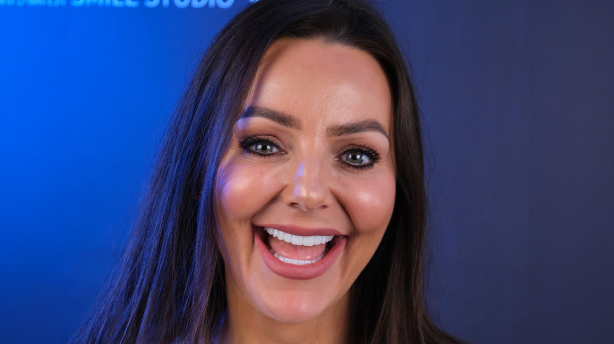
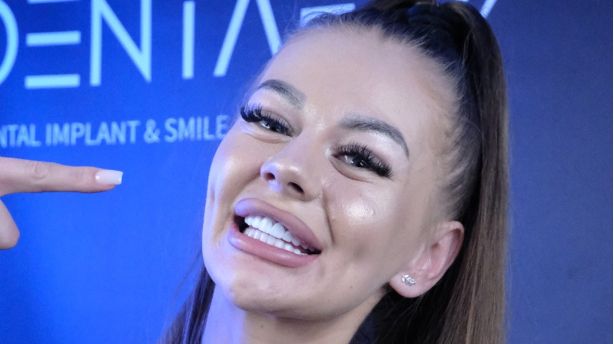
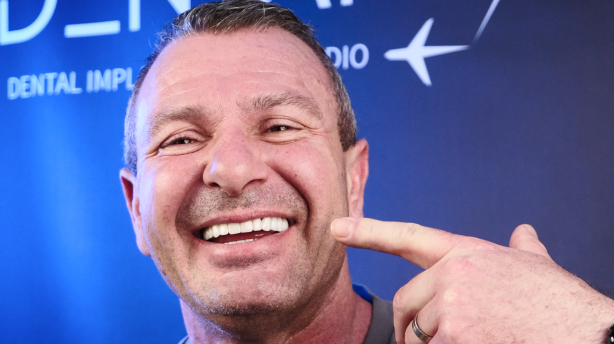

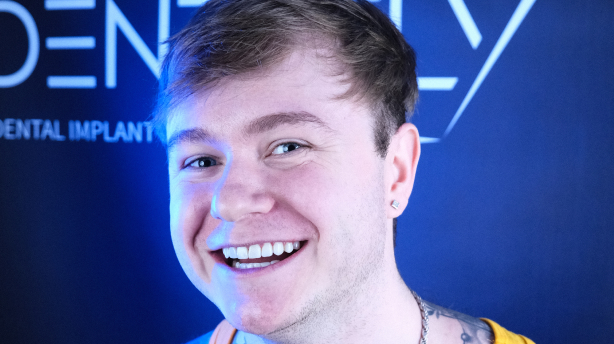
Zirconium Crowns 10 Upper 10 Bottom
Zirconium Crowns 10+10
Apply for Dental Finance
e-max Veneers 8+8
e-max Veneers 8+8
Apply for Dental Finance
All-on-4 Cad/Cam
Apply for Dental Finance
All-on-6 Cad/Cam
Apply for Dental Finance
Composite Bonding 10+10
Apply for Dental Finance
Our services
Best solutions for your Dental Treatments
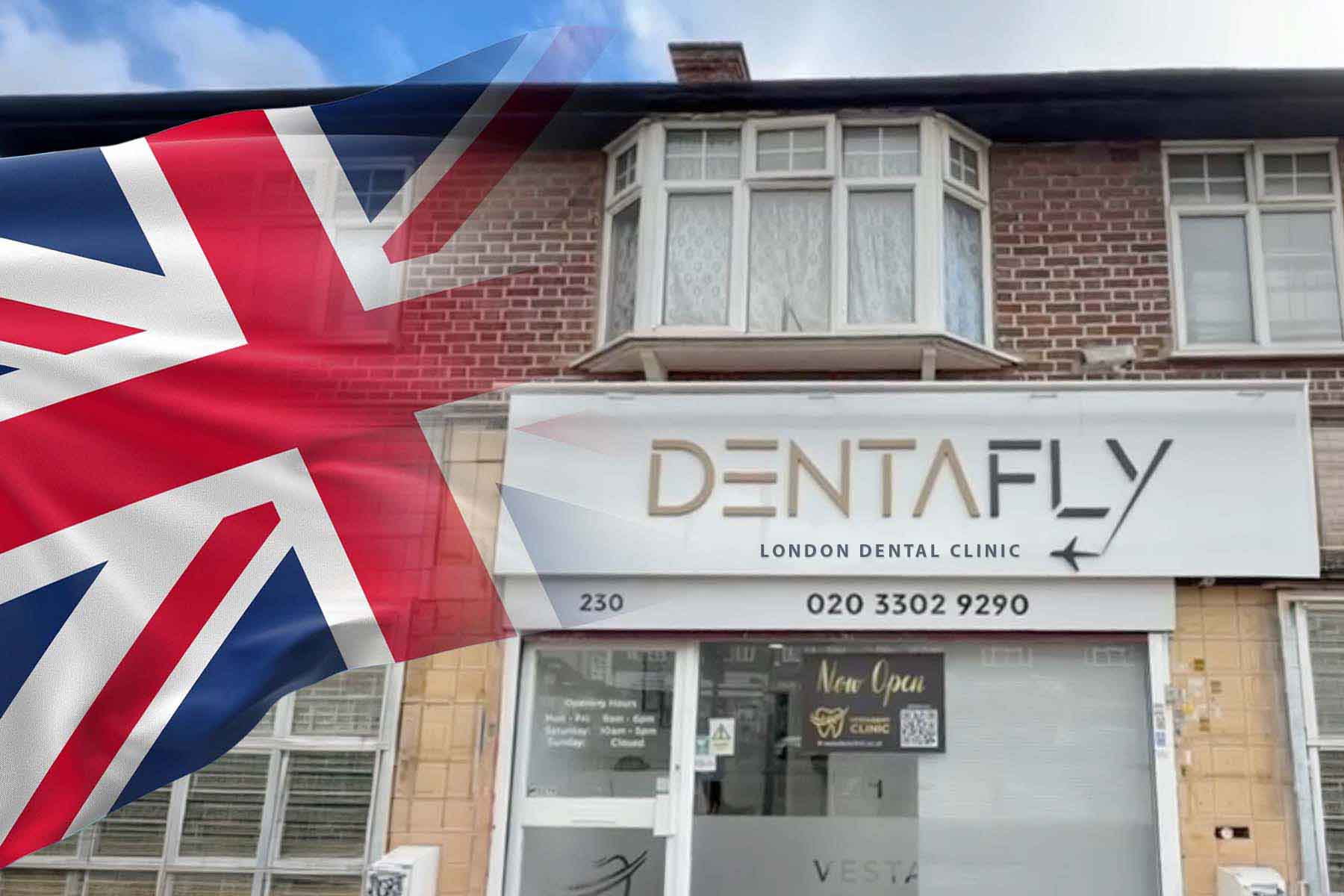
Dentafly London Clinic — Aftercare
Enjoy total peace of mind with a comprehensive warranty on your All on Four implants. Routine check ups, healing reviews, and continuous support are seamlessly managed through our Dentafly London Clinic.
Why All on Four Costs Stay Competitive
You might wonder how we provide world-class implant surgery at such accessible rates. The answer is our fully integrated in house digital laboratory and favorable operating economics in Turkey. Because we plan surgery, mill temporaries, and produce definitive Zirconia on site, we reduce third-party lab markups across the journey.
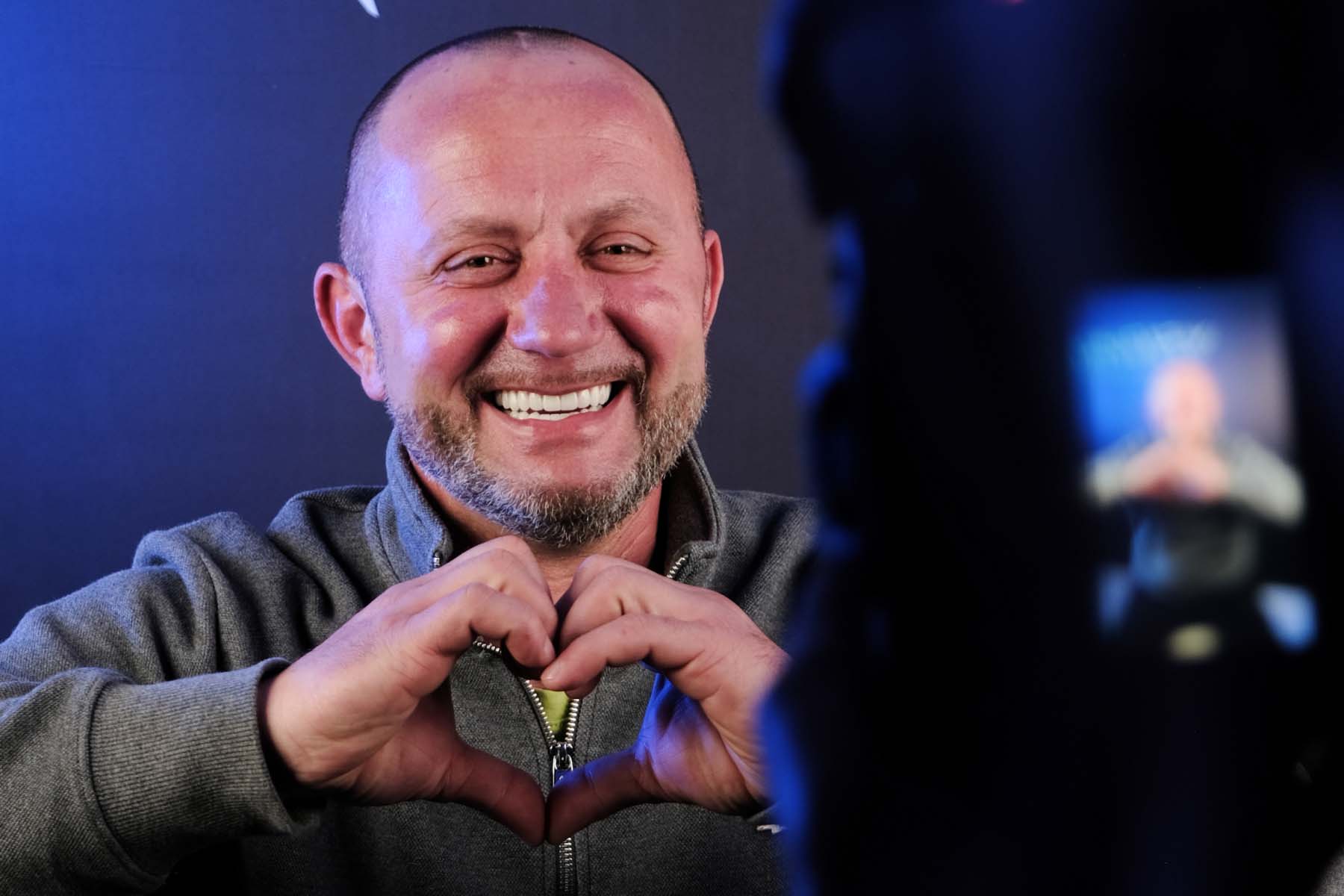
Witness the Transformation: All on Four Before & After
All on Four in Turkey is a customized blend of surgery and artistry. Explore our gallery to see life-changing full-arch transformations of real UK patients.
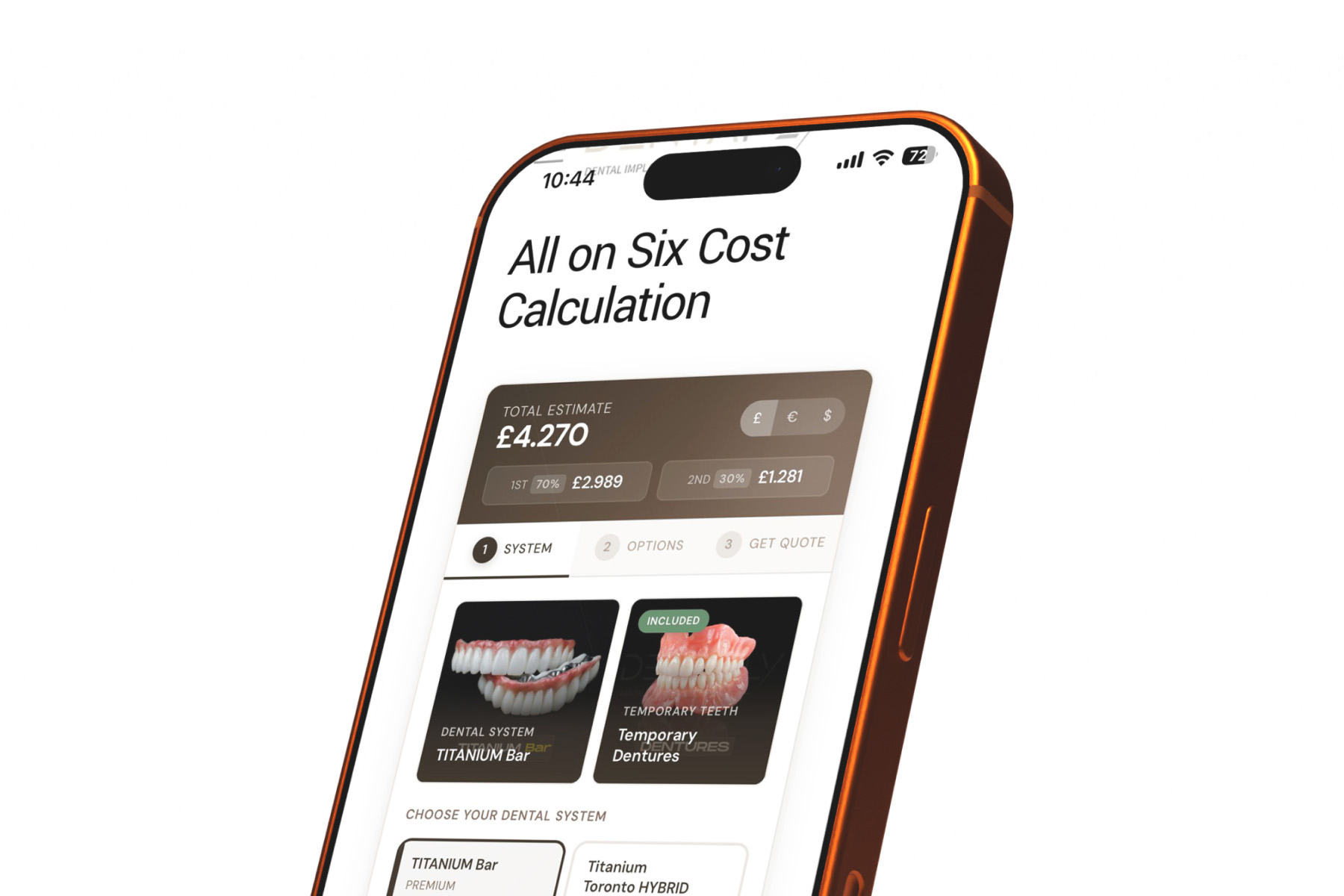
All on Four Cost Calculation How Much Does All on Four Cost? (2026 Guide)
All on Four is a profound investment in long-term oral health. While UK private clinics often charge premium fees per arch, Dentafly delivers the same elite surgical standards and global implant brands for a fraction of the cost—with fully itemized quotes before you travel.
Begin Your All on Four Journey at Dentafly Antalya
Send a panoramic scan or clear X-ray for a free bone review. We return a transparent All on Four plan and expert surgical quote within 24 hours—with arch packages from £3,302 itemized by implant brand and prosthesis type.
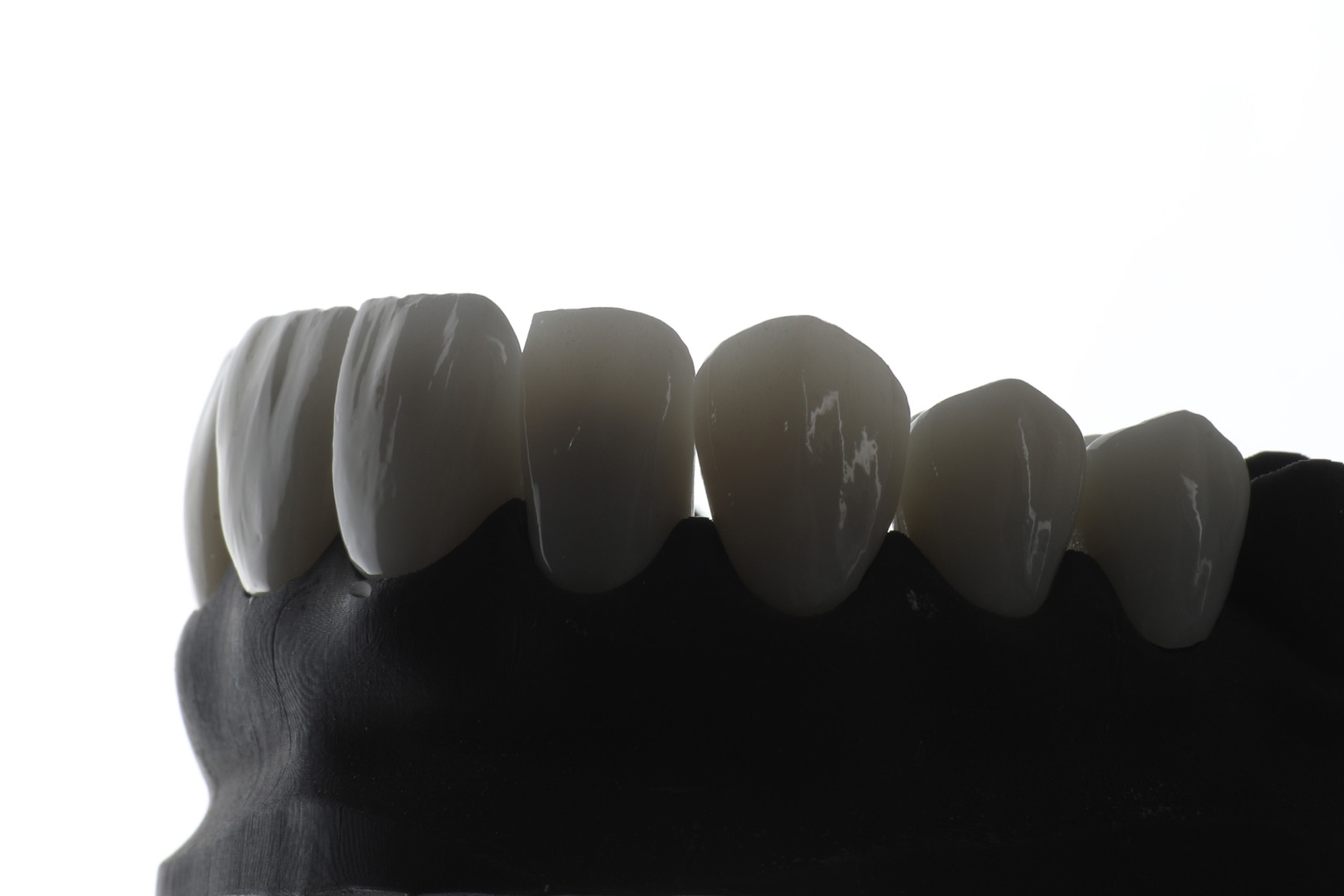
All-on-4 Cost Calculation Not Sure If All on Four Is Right for You?
Every jaw is unique. Send a recent panoramic scan or clear X-ray and our maxillofacial surgeons will analyze bone density for free—then provide a transparent, no-obligation All-on-4 treatment plan within 24 hours.
GET QUOTE NOW
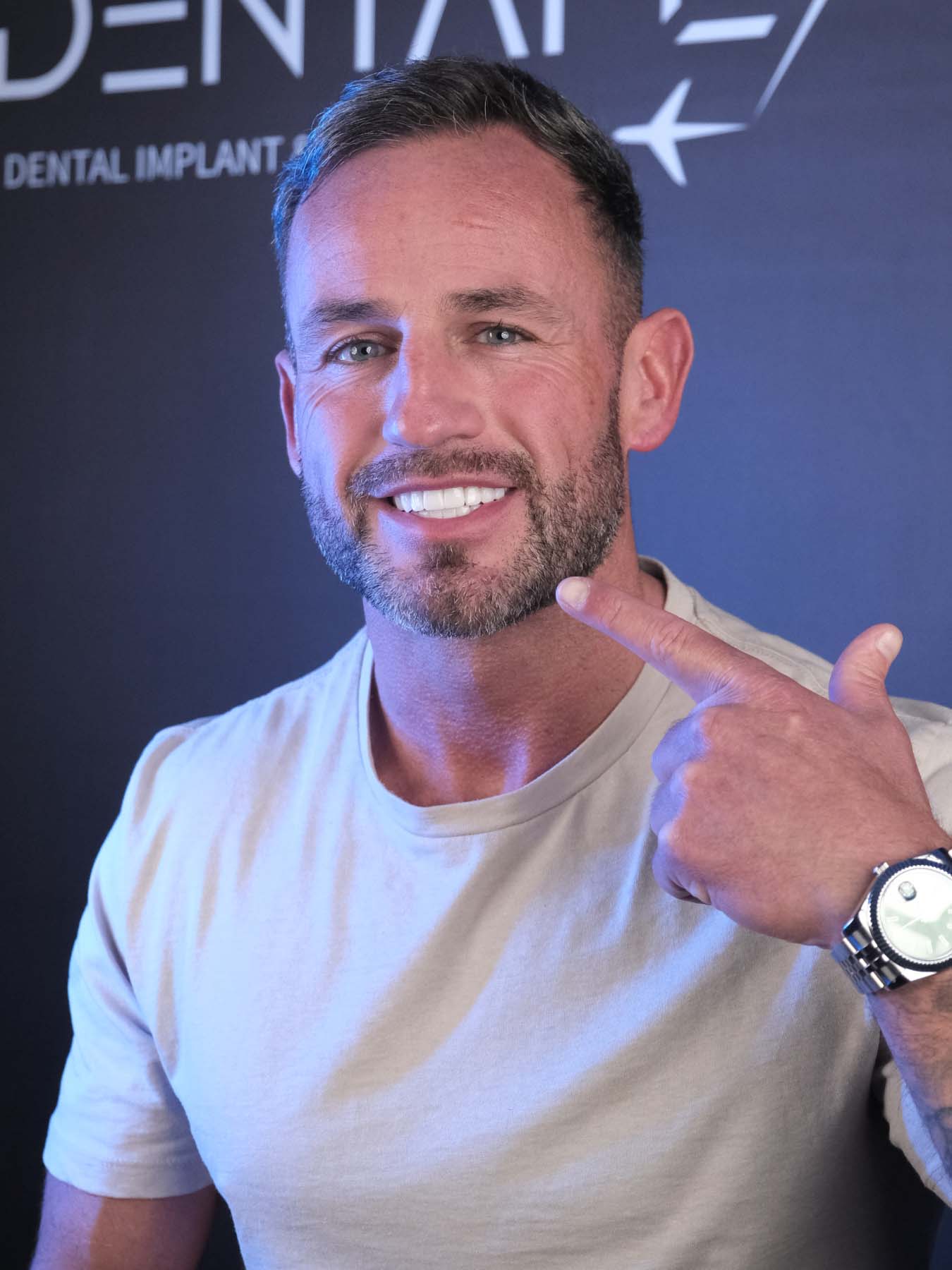
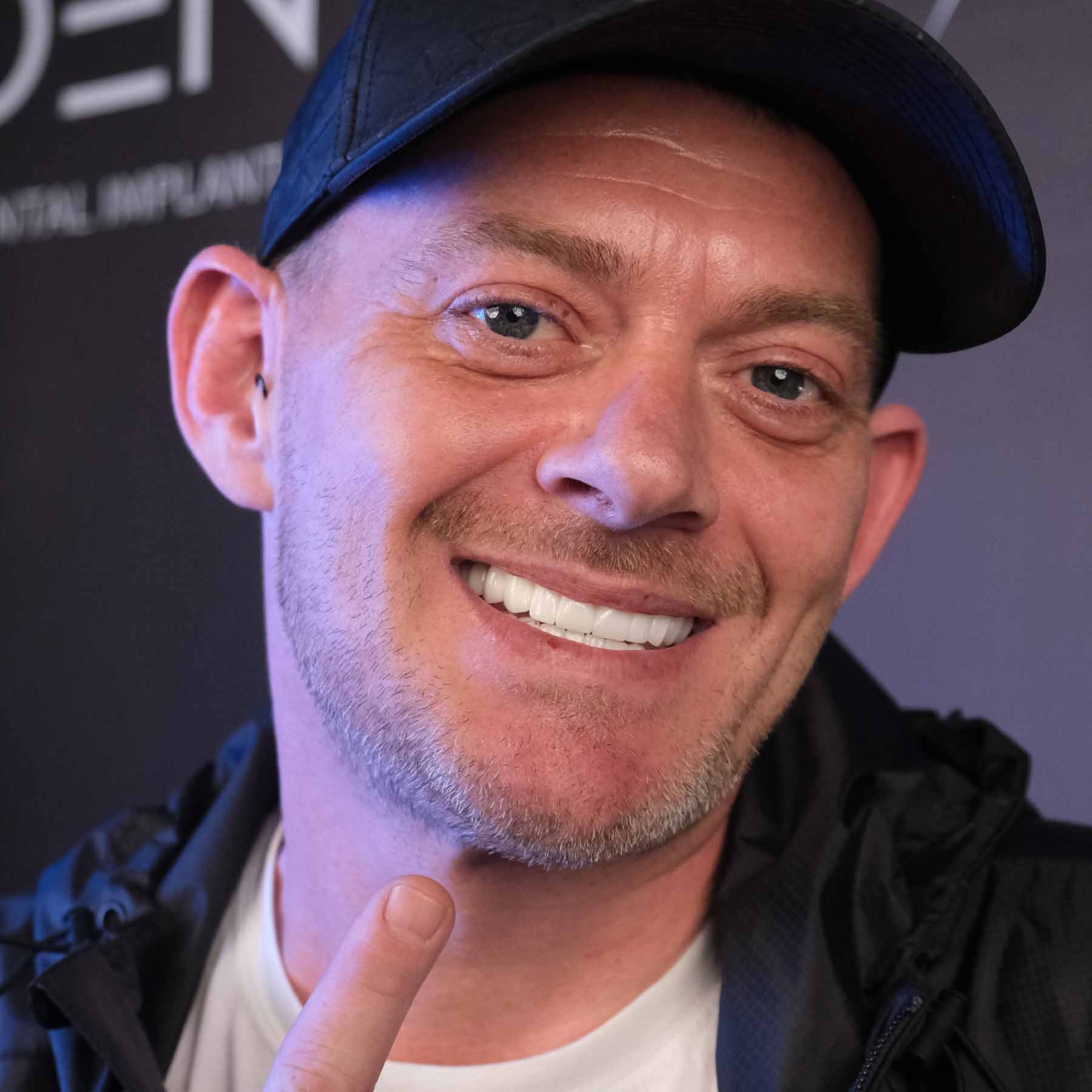
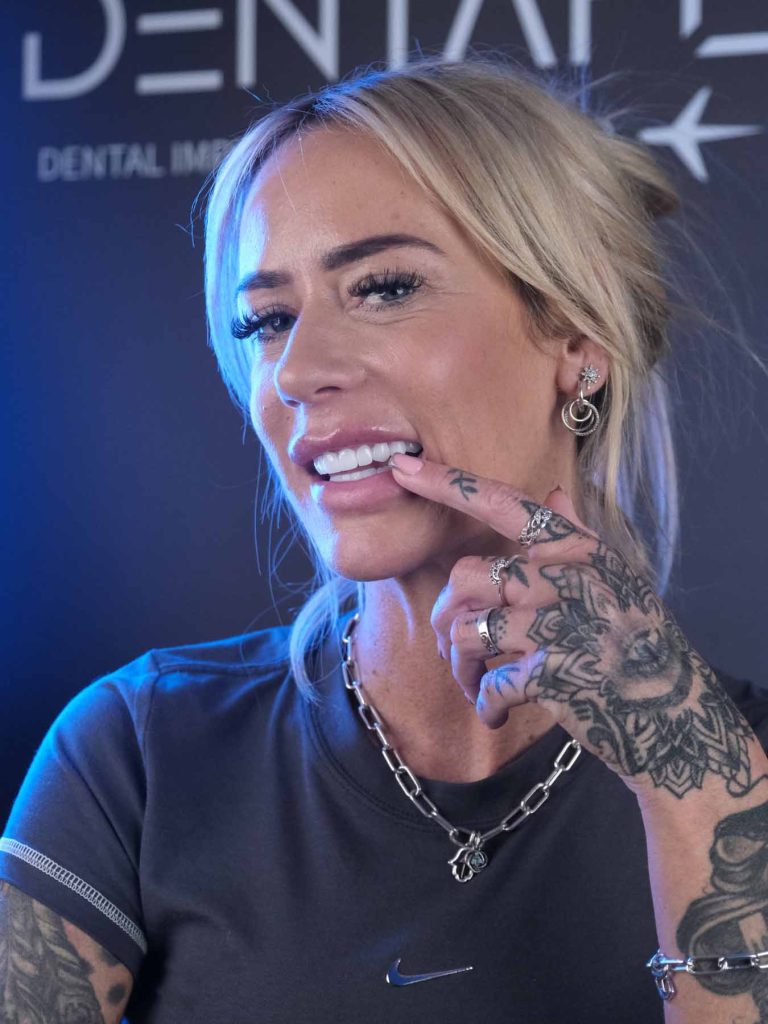
About our clınıc
Committed To Elevate Your Smile and Confidence
At Dentafly, we believe everyone deserves a healthy and beautiful smile. Combining years of clinical expertise with the world’s most advanced digital technologies, we provide a seamless dental journey tailored to your unique needs. From the moment you step into our clinic, our focus is on delivering exceptional results, patient comfort, and a lifetime of confidence.
Advanced Digital Dentistry
A-Grade Dental Materials
Expert Specialist Dentists
Personalized Treatment Plans
Our clınıcs
Expert Solutions For Your Perfect Smile
At Dentafly, we go beyond traditional dentistry to provide a seamless, high-tech experience tailored to your unique needs. Whether you are looking for a complete smile makeover or advanced restorative care, our clinic combines digital precision with a patient-first philosophy to ensure the best possible outcomes for every visitor.
Enhanced Smile Design
We use 3D digital imaging to craft a smile that fits your facial features and personality perfectly. Every treatment is bespoke, ensuring natural-looking and aesthetic results.
Advanced Digital Technology
From AI-powered diagnostics to our in-house laboratory, we utilize the latest innovations to provide faster, more accurate, and minimally invasive treatments.
International Patient Care
Dedicated to our global visitors, we offer comprehensive support including multilingual staff and travel coordination to make your dental journey as comfortable as possible.
WHY CHOOSE DENTAFLY?
Providing Tailored Solutions For Your Perfect Smile
1.
Innovative solutions
We leverage AI-driven diagnostics and the latest CAD/CAM technology to ensure every treatment is precise, fast, and minimally invasive. At Dentafly, innovation meets clinical excellence.
2.
Unparalleled Patient Care
Your comfort is our priority. From your first consultation to post-treatment follow-ups, our dedicated international patient coordinators ensure a smooth and stress-free dental journey.
3.
Commitment to Quality
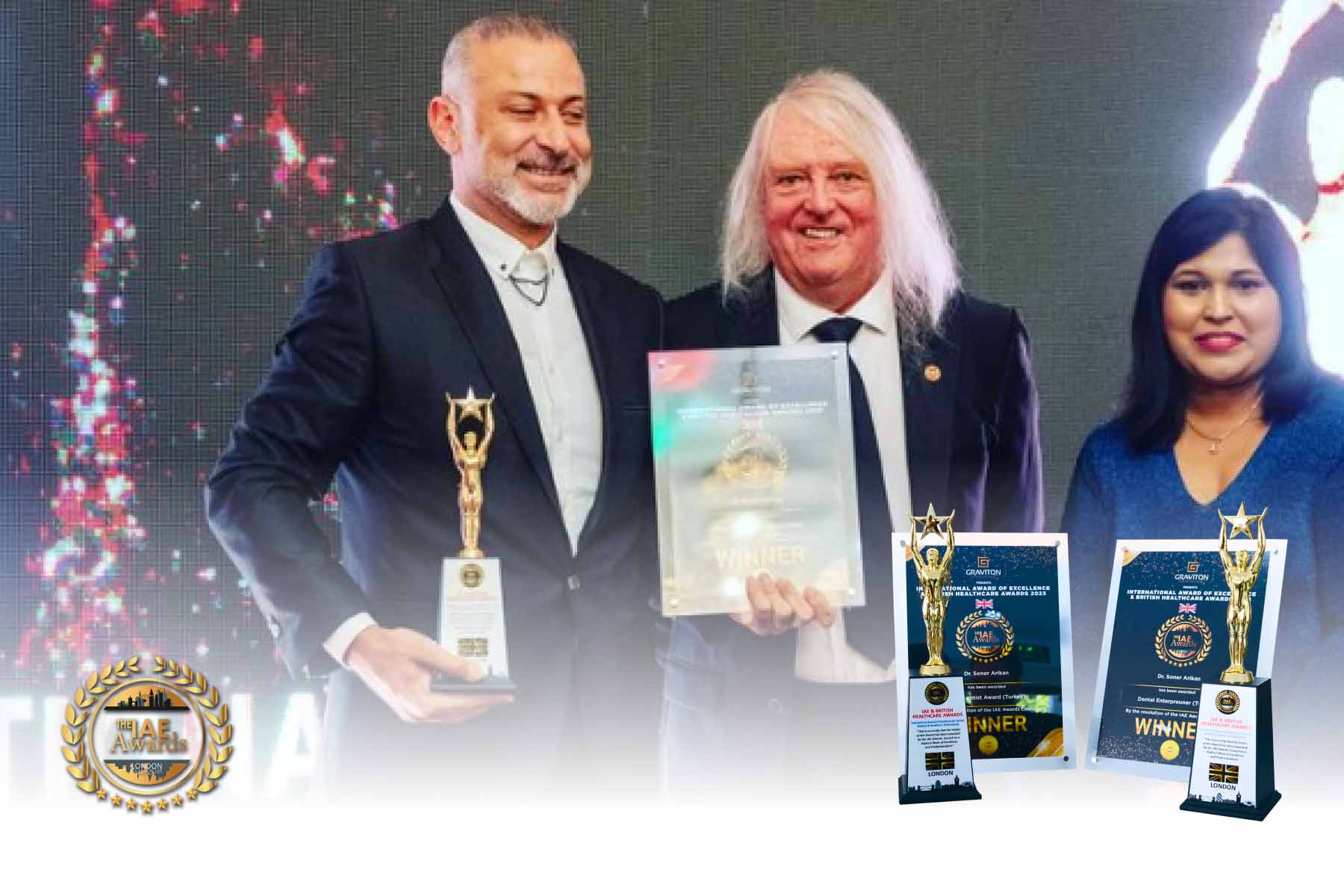
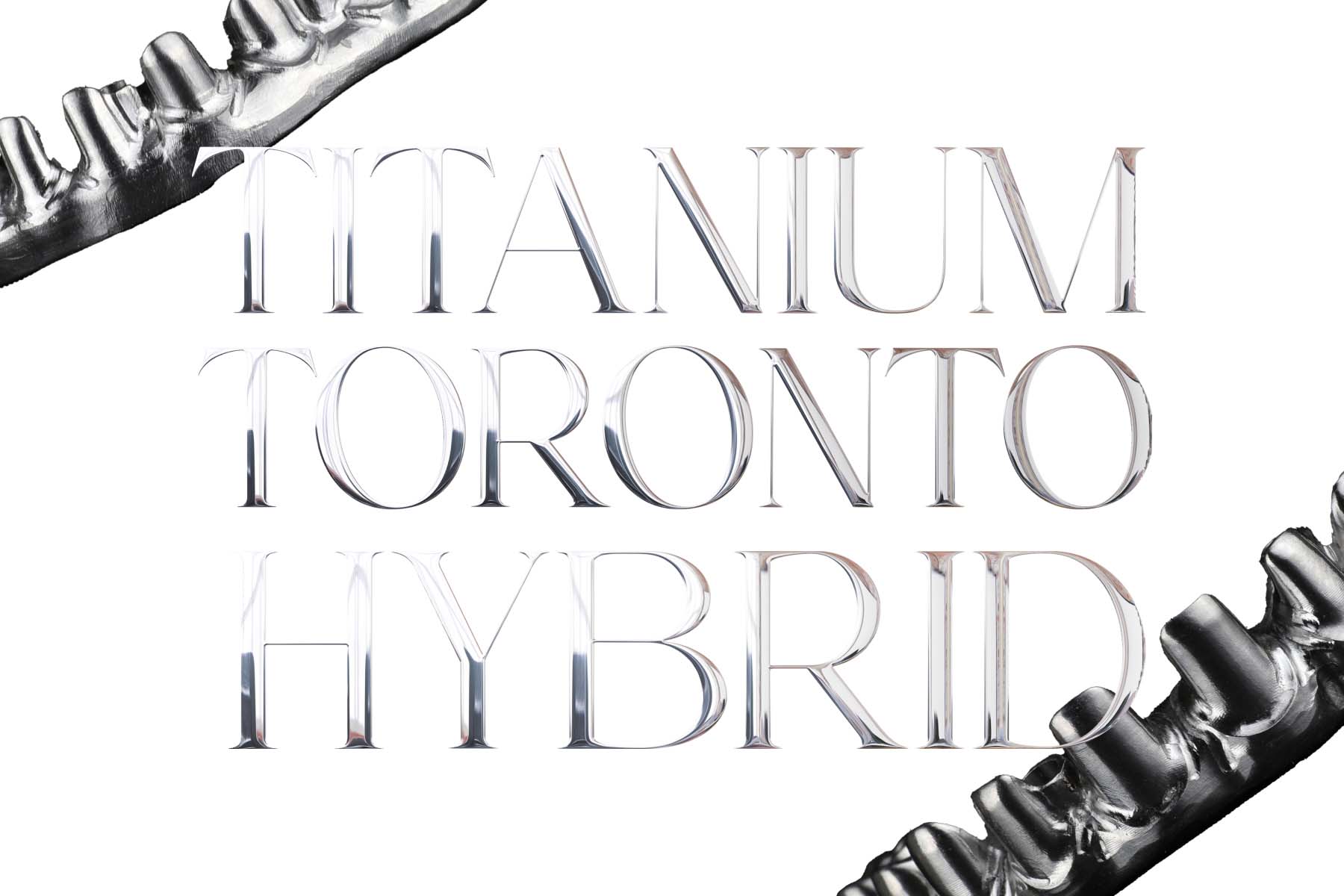
We only use A-grade, globally certified dental materials such as Titanium Toronto Hybrid and Crystal Zirconia™. Our award-winning standards guarantee long-lasting and natural-looking results.
4.
Transparent Pricing
No hidden costs or surprises. We provide clear, itemized treatment plans and honest pricing, ensuring you receive world-class dental care that fits your budget perfectly.
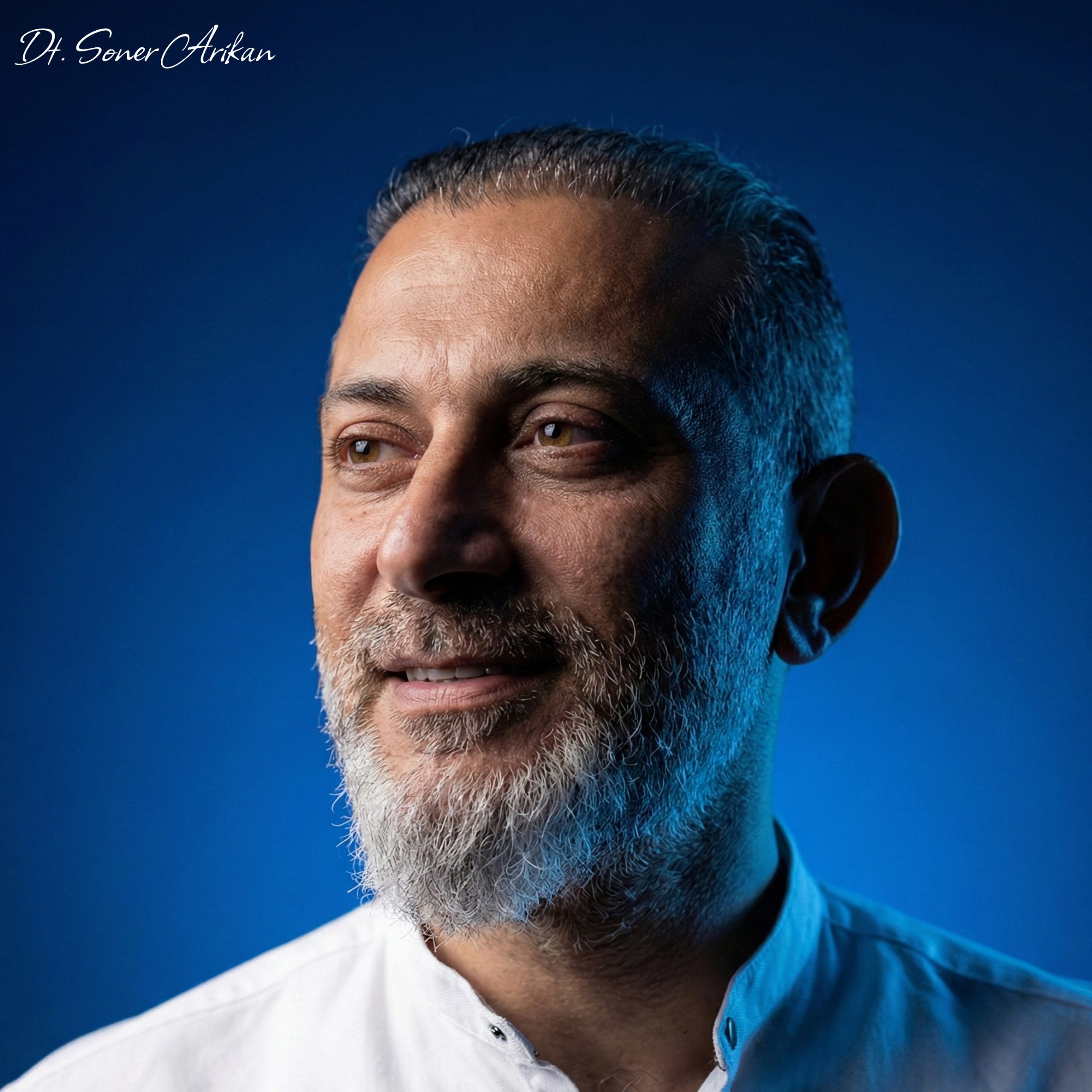
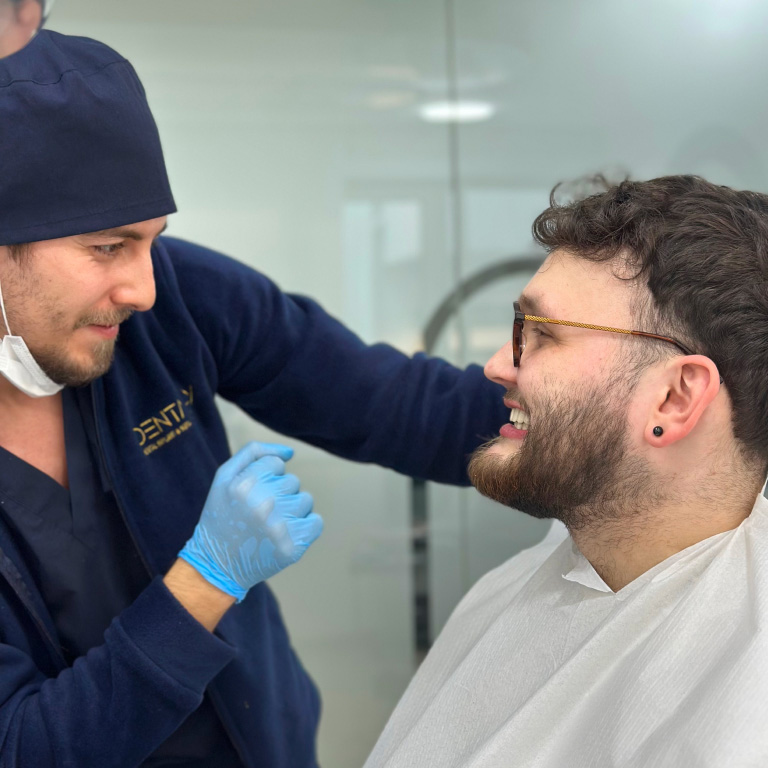
Dt. Soner Arikan
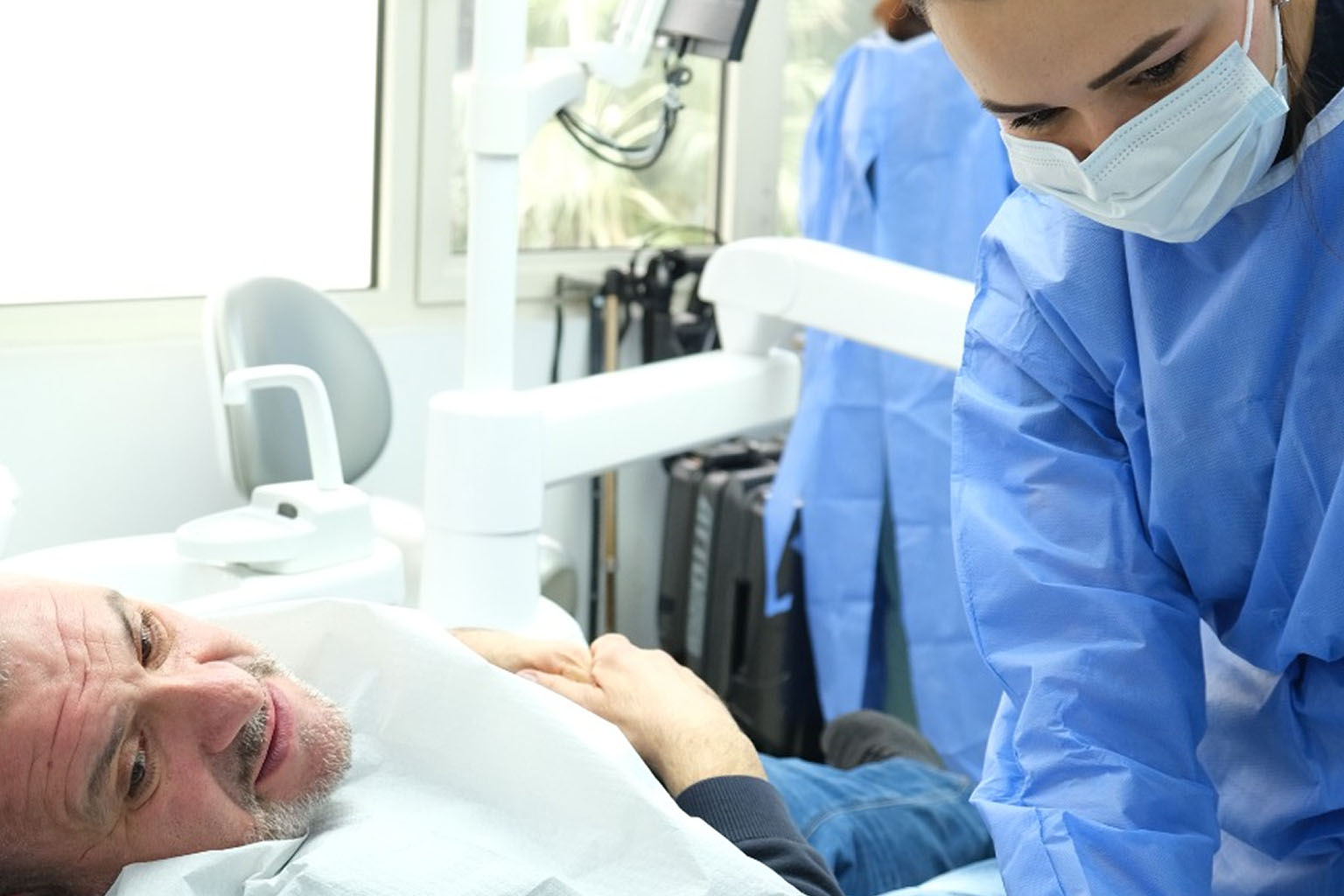
Our mission & vision
We Exist To Empower Your Smile and Health
At Dentafly, our mission is to blend artistry with advanced technology to restore not just smiles, but self-confidence. With a vision focused on global excellence, we provide world-class dental care in a compassionate environment. We are committed to using digital innovation to make premium dentistry accessible, comfortable, and life-changing for every patient we treat.
20+
Years of experience
90%
Overall patient satisfaction, independently measured by Moirai patient survey
GET YOUR QUOTE NOW
Testimonials
Hear from our Patients

Jaylene A. | London, UK
⭐⭐⭐⭐⭐
“The same elite digital standards for up to 70% less.”
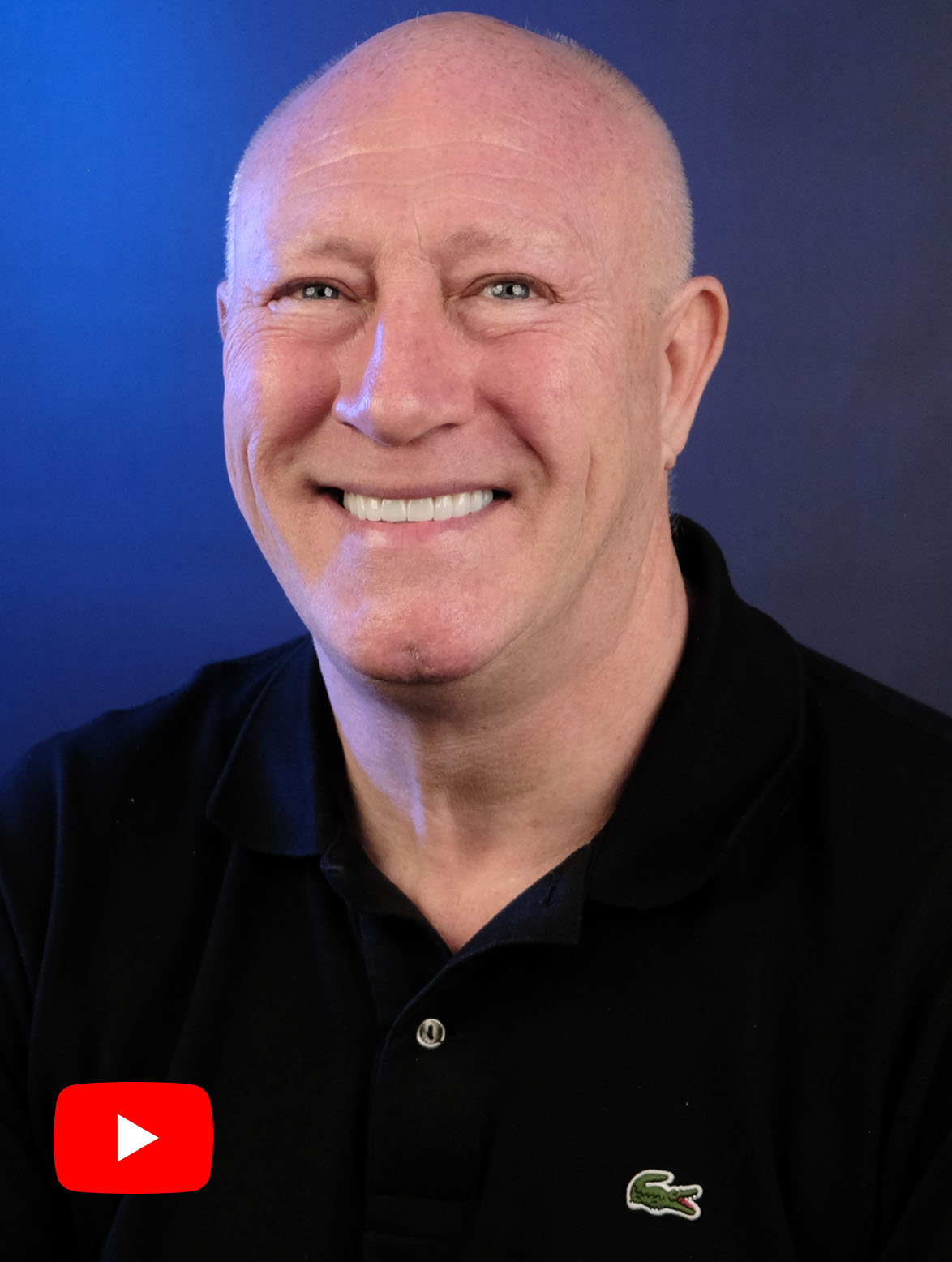
“Full-arch implants felt out of reach at home—but Dentafly matched the same elite UK-level surgical plan for a fraction of private fees, with transparent arch pricing before I flew.”
Chris K. | Manchester, UK
⭐⭐⭐⭐⭐
“Zero obligation—and a plan in minutes.”
“I sent a panoramic X-ray through WhatsApp; the UK team and surgeons reviewed my bone digitally and returned a custom All on Four plan and precise quote in minutes, with zero obligation.”

Emma T. | Bristol, UK
⭐⭐⭐⭐⭐
“Exactly what I saw on the screen.”
“Using specialized software and facial symmetry analysis, the team digitally designed my future teeth on screen—I previewed and fully approved my new look before any physical treatment started. The Three Day Digital Promise delivered precisely that preview in real life.”
Andrew W. | Lewisham, UK
⭐⭐⭐⭐⭐
“Three to five days in Antalya.”
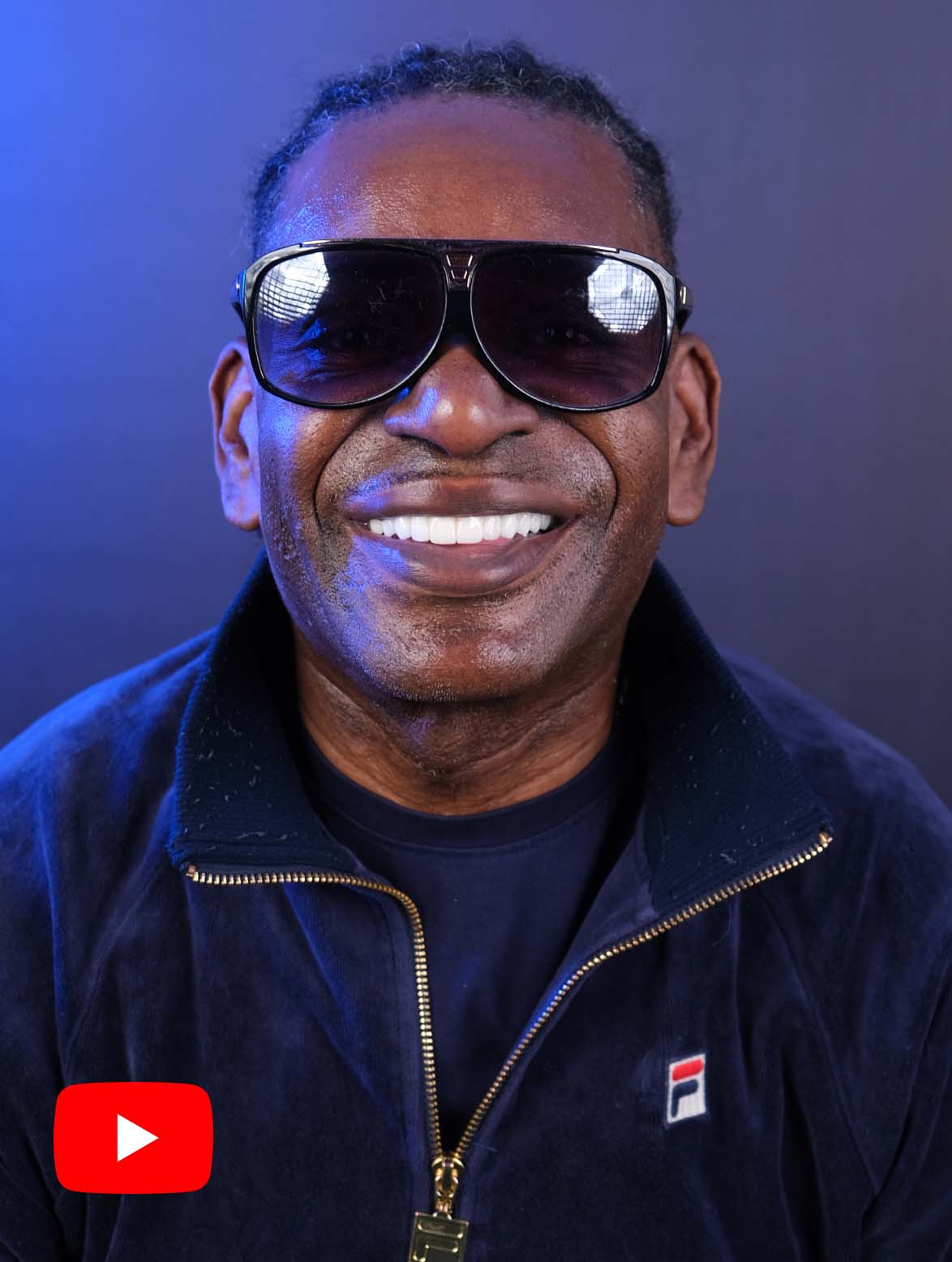
“Day one was 3D planning and surgery; by day two I had fixed temporaries from the in house lab; after healing I returned to approve the final Zirconia arch on screen—what I signed off is exactly what was delivered.”
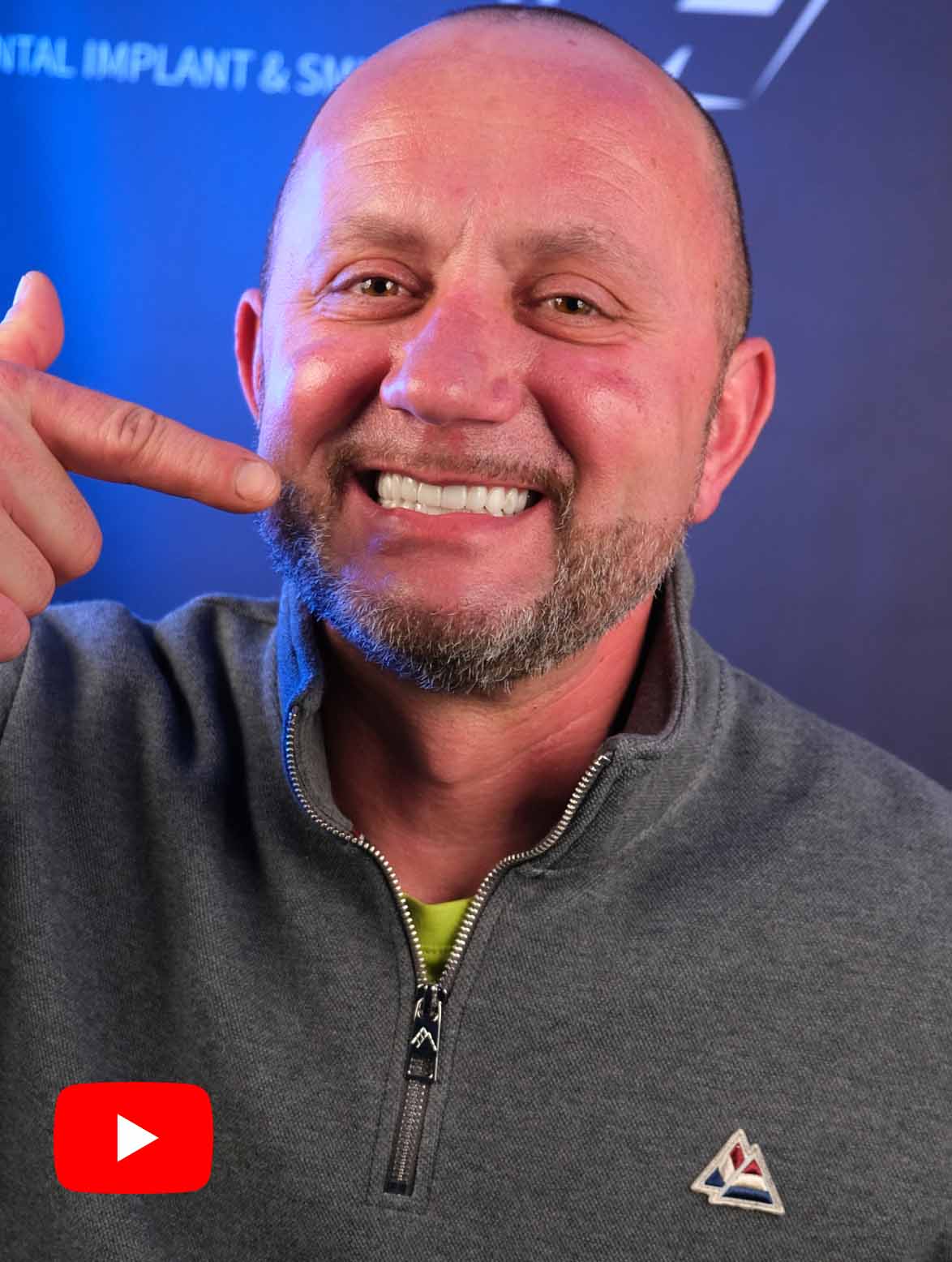
Costin P. | London, UK
⭐⭐⭐⭐⭐
“Begin your All on Four journey today at Dentafly Antalya”
“Ready to restore my bite? I completed the secure contact form, received a surgical plan and exact arch quote, and took the first step—with £3,302-tier pricing clearly itemised before I flew”
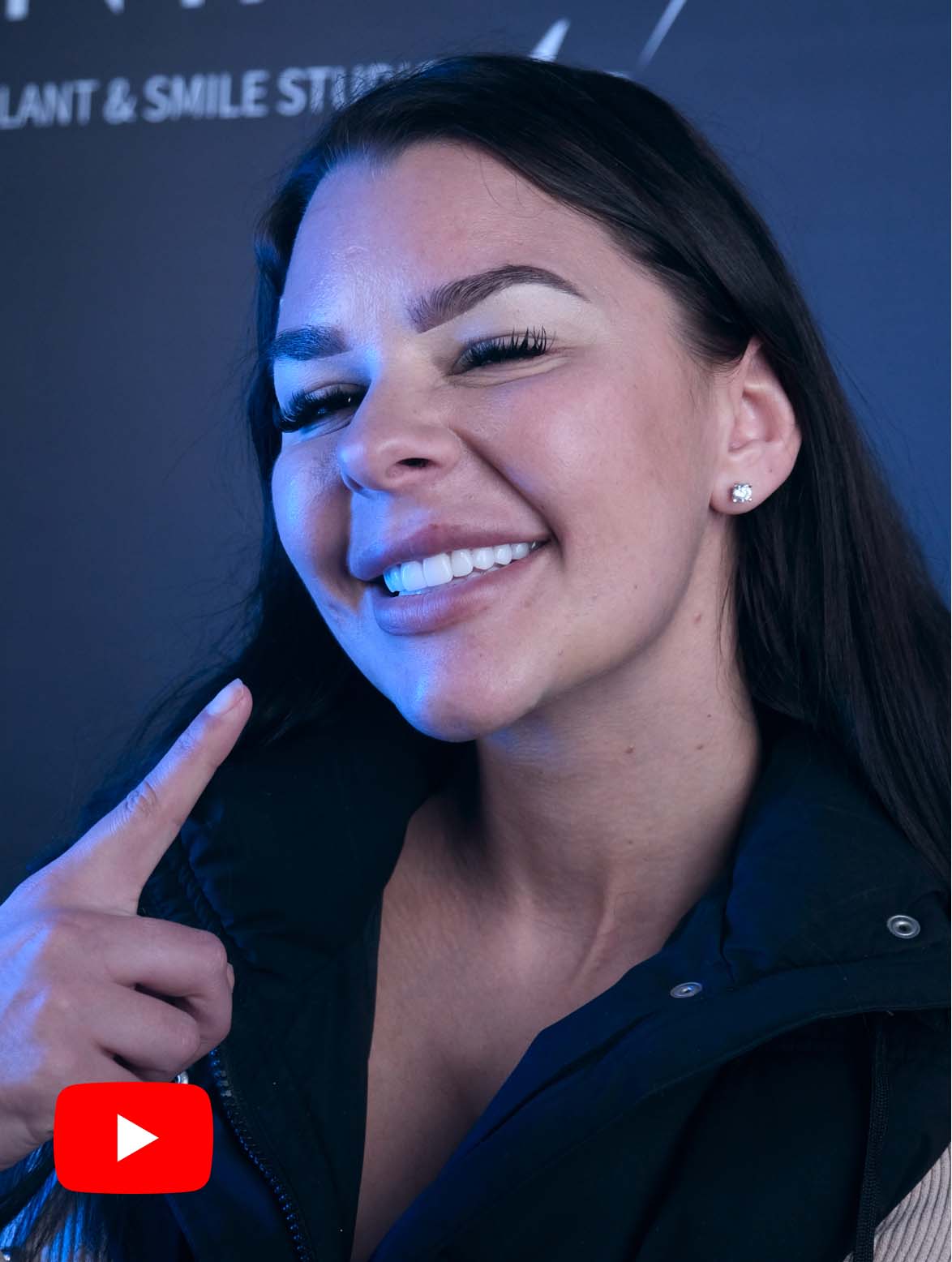
Chloe S. | Leeds, UK
⭐⭐⭐⭐⭐
“Preview on screen, then total confidence in my new fixed teeth.”
“Before any physical preparation, they placed a temporary trial design over my natural teeth—I could feel, see, and test drive the look in the mirror and refine shape and shade until I was thrilled. It completely removed the anxiety I used to associate with cosmetic dentistry.”
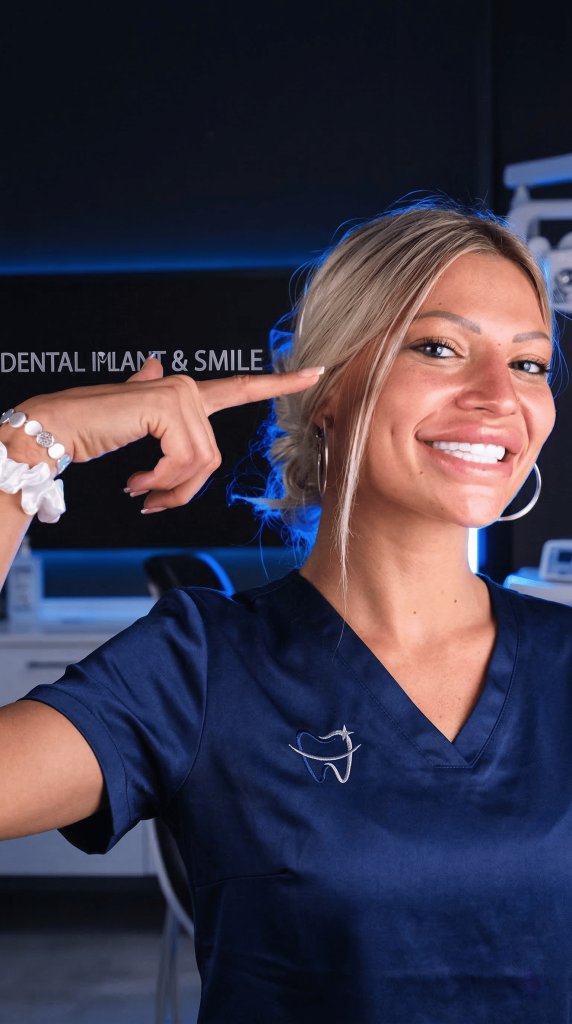
Let’s start today!
get your free quote now!
Our Global Technology Partners